
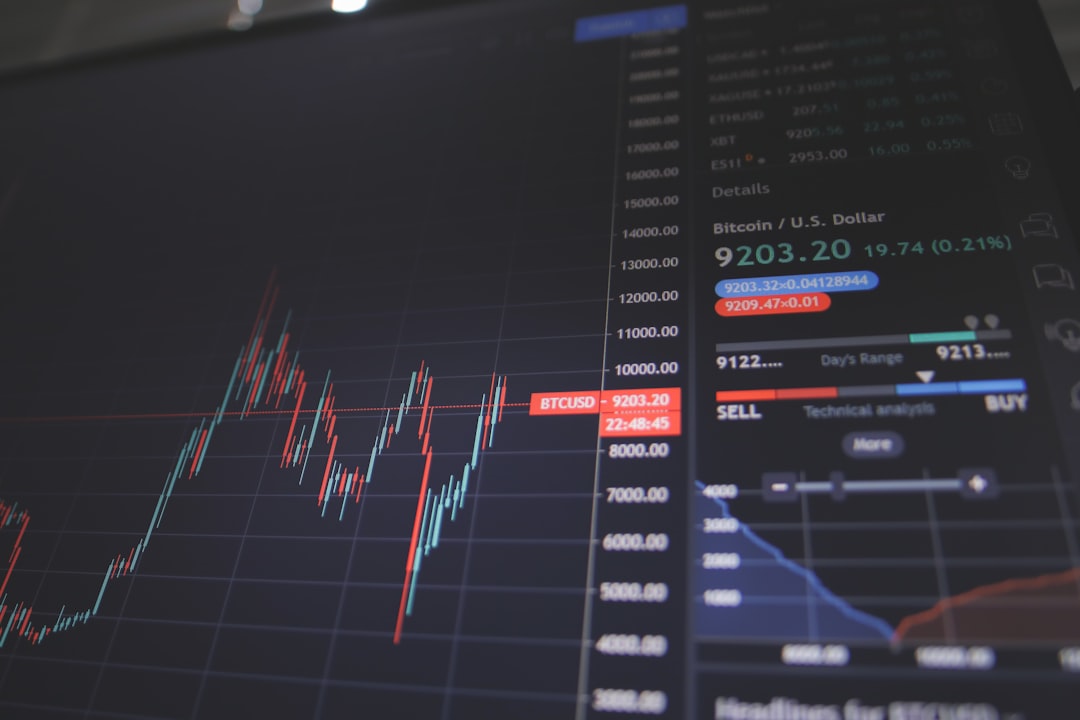
Ninety-five percent of day traders fail. The difference between the 5% who succeed and the overwhelming majority who lose capital isn't intelligence, strategy complexity, or account size—it's consistency. Professional traders follow disciplined routines that guide every decision, from pre-market preparation to post-trade analysis. For Iranian traders navigating sanctions, broker access restrictions, and VPN requirements, these habits become even more critical. While geographical challenges add layers of complexity, the fundamental principles of professional trading transcend borders. This guide provides a concrete framework covering pre-market preparation, session timing optimization, risk management, journaling, performance reviews, and mental discipline—all adapted to the realities of trading from Iran.
The Foundation: Pre-Market Analysis and Preparation
Professional traders don't start trading when markets open—they begin their workday 1-2 hours earlier, building a strategic roadmap before risking a single dollar. For Iranian traders, this pre-market preparation becomes even more critical given the time zone gap between Tehran and the major trading sessions in London and New York.
Unlike the Tehran Stock Exchange, which operates during local business hours, forex markets are most active when London opens (11:30 AM Tehran time) and during the London-New York overlap (3:30 PM – 7:30 PM Tehran time), when approximately 70% of all forex transactions occur. This timing requires Iranian traders to shift their entire routine, treating mid-afternoon as their “market open” and dedicating morning hours to thorough preparation.
Economic Calendar Review and News Monitoring
Before placing any trades, professional traders review the economic calendar for high-impact events that could trigger volatility. Iranian traders face an additional layer of complexity here: accessing reliable international news sources often requires VPN services due to internet restrictions.
Key pre-market tasks include:
- Checking the economic calendar for central bank announcements, employment data, and GDP releases
- Reading analysis from major financial news outlets (Reuters, Bloomberg, FXStreet)
- Monitoring geopolitical developments that affect currency pairs
- Reviewing overnight price action in Asian markets for directional clues
Many Iranian traders use Telegram channels and offshore platforms accessed through VPNs to gather this information, since direct access to some international financial websites remains blocked.
Technical Analysis Across Multiple Timeframes
After absorbing fundamental information, professional traders conduct technical analysis across multiple timeframes to identify high-probability setups. This top-down approach provides context that single-timeframe analysis misses.
The standard workflow involves:
- Daily charts to identify the dominant trend and major support/resistance levels
- 4-hour charts to spot potential reversal patterns or trend continuation setups
- 1-hour charts to fine-tune entry points and set precise stop-loss levels
Iranian traders using platforms like MetaTrader 4 or 5 through offshore brokers can perform this analysis effectively, marking key levels before the London session begins. This preparation transforms reactive trading into proactive execution, where you're responding to anticipated scenarios rather than chasing price movements in real-time.
Timing Your Trading Day: Optimal Session Selection for Iranian Traders
The forex market operates 24 hours a day, but not all hours offer equal opportunity. For Iranian traders working from Iran Standard Time (IST), understanding when global liquidity peaks can mean the difference between entering trades with tight spreads and favorable execution versus struggling with sluggish price action.
Understanding Global Forex Sessions
The London-New York overlap period generates approximately 70% of all daily forex transactions, making it the most critical window for serious traders. This four-hour window runs from 8 AM to 12 PM Eastern Standard Time, which converts to 4:30 PM to 8:30 PM Iran Standard Time. During these hours, major currency pairs like EUR/USD and GBP/USD see their tightest spreads and most predictable price movements.
Creating a Realistic Schedule for Iranian Time Zones
Iranian traders face a unique scheduling advantage: peak market hours align with evening time in Tehran, after traditional work hours conclude. This creates opportunities that traders in Asian time zones don't have without sacrificing sleep.
| Trading Session | EST Time | Iran Standard Time (IST) | Recommended Focus |
|---|---|---|---|
| London Open | 3:00 AM – 12:00 PM | 11:30 AM – 8:30 PM | EUR, GBP pairs |
| New York Open | 8:00 AM – 5:00 PM | 4:30 PM – 1:30 AM | USD pairs, commodities |
| London-NY Overlap | 8:00 AM – 12:00 PM | 4:30 PM – 8:30 PM | All major pairs (highest volume) |
| Asian Session | 7:00 PM – 4:00 AM | 3:30 AM – 12:30 PM | JPY, AUD pairs (lower priority) |
Professional traders typically dedicate 4-6 hours daily to active trading and analysis. For Iranian traders maintaining day jobs, a practical routine involves 1-2 hours of pre-market analysis during lunch breaks (reviewing economic calendars and technical setups), followed by active trading during the 4:30 PM to 8:30 PM IST window. This schedule captures the most liquid market hours without requiring overnight sessions that lead to exhaustion and poor decision-making.
Risk Management Discipline: The 1-2% Rule and Position Sizing
Professional traders survive losing streaks because they follow one non-negotiable principle: never risk more than 1-2% of total capital on a single trade. This isn't conservative advice for beginners—it's the mathematical foundation that separates sustainable trading from gambling. When you risk 10% per trade, five consecutive losses wipe out half your account. At 2% risk, you can endure fifty losing trades and still have capital to continue trading.
Calculating Your Risk Per Trade
The calculation is straightforward. If you have a $1,000 account and follow the 2% rule, you risk $20 per trade. This $20 represents your maximum acceptable loss if the trade hits your stop-loss. Here's the critical part: this risk amount determines your position size, not your ambition or market excitement.
To calculate position size, you need three numbers: your account balance, your risk percentage, and the distance from your entry to your stop-loss in pips. For example, with a $1,000 account, 2% risk ($20), and a 50-pip stop-loss on EUR/USD, your position size would be 0.04 lots. The formula: (Account Balance × Risk %) ÷ (Stop-Loss in Pips × Pip Value) = Position Size.
Position Sizing with Limited Broker Options
Iranian traders face additional constraints when applying this rule. Many offshore brokers accessible from Iran impose minimum position sizes of 0.01 lots (micro lots) or higher, which can create challenges for smaller accounts. A 0.01 lot on EUR/USD means each pip equals approximately $0.10. If your calculated risk allows only 0.005 lots but your broker's minimum is 0.01, you have two choices: accept higher risk per trade or increase your account size before trading.
Some cryptocurrency-based platforms popular among Iranian traders offer more flexible position sizing, but they often carry higher spreads that effectively increase your risk per trade. Calculate your effective risk including spreads and overnight fees. A 50-pip stop-loss with a 3-pip spread means you're actually risking 53 pips—adjust your position size accordingly to maintain true 1-2% risk.
The Trading Journal: Documenting Every Decision
Professional traders who maintain detailed journals improve their performance by 30-40% within six months. This isn't speculation—it's a measurable advantage that separates consistent winners from those who repeat the same mistakes. For Iranian traders navigating challenging market conditions, a trading journal becomes even more critical as a tool for self-accountability and continuous improvement.
Essential Elements of a Trading Journal
Every trade entry should capture specific information that transforms raw data into actionable insights. Record these details immediately after opening and closing each position:
- Trade basics: Currency pair, entry price, exit price, position size, and timestamp
- Market context: Key economic events, active trading session (London, New York, Asian), and overall market sentiment
- Technical rationale: Chart patterns, support/resistance levels, indicators used, and timeframe analyzed
- Emotional state: Your confidence level, external distractions, and any hesitation or overconfidence
- Outcome analysis: Risk-reward ratio achieved, what worked, what didn't, and lessons for future trades
Iranian traders should also note payment method challenges, withdrawal processing times, and broker-specific issues that affect execution. These factors directly impact profitability and need documentation.
Digital vs. Manual Journaling Methods
Given sanctions-related restrictions on some platforms, Iranian traders need accessible journaling solutions:
Free options include Google Sheets (accessible via VPN if needed), Notion (web-based, works reliably), and simple Excel spreadsheets stored on cloud services. These platforms allow detailed customization and don't require payment processing.
Paid tools like Edgewonk or TraderSync offer advanced analytics but may require cryptocurrency payment or international cards—a barrier for many Iranian traders. The benefit is automated performance metrics and visual analytics.
Manual notebooks remain surprisingly effective for traders who prefer handwriting. Physical journals eliminate digital access concerns and force deliberate reflection. Many professional Iranian traders maintain hybrid systems: quick digital entries during trading hours, detailed handwritten reviews during weekend analysis sessions.
The method matters less than consistency. Review your journal weekly to identify patterns in winning and losing trades.
Weekly and Monthly Performance Reviews
Professional traders who survive beyond the initial learning curve share one critical habit: they treat performance analysis as non-negotiable. Research shows traders who maintain detailed reviews improve their performance by 30-40% within six months, yet most Iranian traders skip this step entirely, relying instead on gut feeling about whether they're “doing well.”
Key Metrics to Track
Tracking the right metrics separates data-driven improvement from random luck. Iranian traders should focus on these core measurements in their weekly reviews:
- Win rate percentage: Not just how many trades won, but win rates by currency pair, time of day, and market condition
- Average risk-reward ratio: Compare your planned R:R against what you actually achieved after slippage and emotional exits
- Maximum drawdown: Track the largest peak-to-trough decline in your account, particularly important when using offshore brokers with limited protections
- Trading plan adherence rate: Calculate the percentage of trades that followed your predefined rules versus impulsive decisions
- Cost analysis: Document broker spreads, withdrawal fees (especially relevant for Iranian traders using cryptocurrency intermediaries), and commission expenses
Monthly reviews should zoom out further, examining whether your edge still exists across different market regimes. Did your scalping strategy fail during low-volatility weeks? Did geopolitical news affecting Iranian markets create emotional trades?
Turning Data into Actionable Improvements
Numbers mean nothing without action. After collecting your metrics, identify your top three profitable setups and your most expensive mistakes. If your EUR/USD trades during the London-New York overlap consistently profit while Asian session trades drain your account, the solution is obvious: stop trading Asian hours.
For Iranian traders facing sanctions-related payment delays, track how withdrawal timing affects your psychology. Many traders overtrade while waiting for funds to clear through cryptocurrency intermediaries, trying to “make up” for inaccessible capital. Document this pattern and build rules around it.
Continuous Education and Market Research
Professional traders allocate 30-60 minutes daily to education and market research, treating this commitment as non-negotiable as the trades themselves. This dedicated learning time separates consistently profitable traders from those who stagnate or lose capital over time.
For Iranian traders, accessing quality educational resources requires strategic planning. International platforms like BabyPips, Investopedia, and TradingView offer comprehensive forex education, though many require VPN access due to regional restrictions. Iranian traders have adapted by using reliable VPN services to access these materials, downloading educational content for offline study, and participating in webinars during off-peak hours when connectivity improves.
The focus of daily education should rotate between three core areas:
- Economic data releases and their impact on currency pairs (NFP reports, central bank decisions, GDP figures)
- New trading strategies and refinement of existing approaches through backtesting
- Market developments including geopolitical events, commodity price shifts, and cross-market correlations
Telegram has become the primary educational hub for Iranian forex traders, with channels offering real-time analysis, strategy discussions, and peer learning opportunities. Popular Persian-language channels provide localized content addressing sanctions-related broker issues, Toman-based capital management, and deposit/withdrawal methods that work for Iranian traders. However, traders must verify information from multiple sources, as not all Telegram content meets professional standards.
Successful Iranian traders also study price action on platforms like MetaTrader 4 and 5, which remain accessible through offshore brokers. They analyze historical charts, identify recurring patterns, and document observations in trading journals—a practice that reinforces the performance improvements documented earlier. This structured approach to continuous learning builds the pattern recognition and analytical skills that separate professional traders from casual participants.
Physical and Mental Health: The Overlooked Trading Edge
The connection between physical wellness and trading profits isn't abstract. A study of professional traders found that those maintaining 7-8 hours of sleep consistently outperformed sleep-deprived counterparts by measurable margins in decision-making speed and accuracy. Yet Iranian traders often sacrifice rest to catch optimal trading sessions during London-New York overlap hours—a trade-off that slowly erodes the very edge they're trying to capture.
Sleep and Trading Performance
Sleep deprivation impairs the prefrontal cortex, the brain region responsible for risk assessment and impulse control—exactly what traders need most when managing open positions. For Iranian traders operating in GMT+3:30, the temptation to stay awake for late-night U.S. session volatility creates a dangerous pattern. Professional traders solve this by selecting their trading sessions deliberately rather than chasing every market movement. If your optimal focus hours fall between 9 AM and 2 PM Tehran time, structure your routine around the European session and let the New York close happen without you.
Stress Management Techniques
Iranian traders face compounding stress layers beyond normal market pressure. Platform access uncertainty during sanctions escalations, sudden payment gateway disruptions, and the constant need to verify broker reliability create background anxiety that affects trading decisions. Building mental resilience requires structured daily habits:
- Morning routine before charts: 15-20 minutes of exercise or meditation before opening trading platforms establishes mental clarity separate from market noise
- Defined trading windows: Setting hard start and stop times prevents the exhaustion of monitoring markets for 12+ hours straight
- Physical activity breaks: Professional traders schedule 5-minute movement breaks every 90 minutes during active trading, maintaining focus without burnout
- Journaling beyond trades: Recording emotional states and stress triggers helps identify when external factors (internet stability concerns, political news) are influencing trade decisions inappropriately
The traders who last years in this market treat their mental state as seriously as their technical analysis. When access to your broker might disappear overnight due to factors beyond your control, the one variable you can control is how prepared your mind and body are to handle that uncertainty.
Building Your Personal Trading Routine: A Practical Framework
Creating a trading routine that works within Iran's unique constraints requires honest assessment of your available time, reliable internet windows, and broker access limitations. The goal isn't to copy a London day trader's schedule—it's to build something sustainable around your reality.
Step-by-Step Routine Development
1. Map Your Trading Windows
Start by identifying when you actually have consistent internet access and focus time. Many Iranian traders find success focusing on the London afternoon session (14:00-18:00 Tehran time) when European markets remain active but volatility is more manageable. If you work a traditional 9-to-5 job, the New York session (16:30-21:00 Tehran time) offers viable opportunities without requiring morning commitment.
2. Create Your Pre-Market Checklist
Dedicate 30-45 minutes before your trading window to:
- Review economic calendar events for the day (focus on high-impact USD, EUR, and GBP news)
- Check your broker platform connectivity and VPN stability
- Identify 2-3 currency pairs showing clear technical setups
- Note your maximum risk allocation for the day (typically 2-4% of total capital)
3. Define Your Trading Block
Limit active trading to 2-3 hours maximum. Iranian traders working with offshore brokers often face withdrawal delays of 3-7 days, making overtrading particularly costly when capital gets tied up in losing positions.
4. End-of-Day Documentation
Spend 15 minutes journaling each trade in a simple spreadsheet: entry price, exit price, pair, timeframe, rationale, and emotional state. This documentation becomes the foundation for your weekly performance reviews.
Conclusion
Consistency and discipline—not complex strategies or large capital—separate successful traders from the 95% who fail. The professional routine outlined here isn't theoretical: pre-market analysis that identifies high-probability setups, optimal session timing aligned with Tehran's time zone, strict 1-2% risk management per trade, detailed journaling of every decision, regular performance reviews that turn data into improvement, continuous education through accessible resources, and deliberate attention to physical and mental health. These elements work together to create sustainable trading performance.
Iranian traders face additional hurdles that others don't: sanctions-related broker restrictions, VPN requirements for accessing platforms and educational content, payment processing delays through cryptocurrency intermediaries, and internet stability concerns during critical trading hours. These challenges are real, but they don't invalidate professional trading habits. The traders who succeed from Iran are those who acknowledge these obstacles while refusing to use them as excuses for skipping the fundamentals.
Start building your routine with one element this week rather than attempting everything at once. If you're not journaling trades, begin with a simple spreadsheet documenting entry, exit, and rationale. If you're trading without pre-market analysis, dedicate tomorrow morning to reviewing the economic calendar and marking key technical levels before the London session opens. Small, consistent improvements compound over months into the edge that defines professional trading. The market will still be here next week—build the foundation that lets you participate profitably for years.