
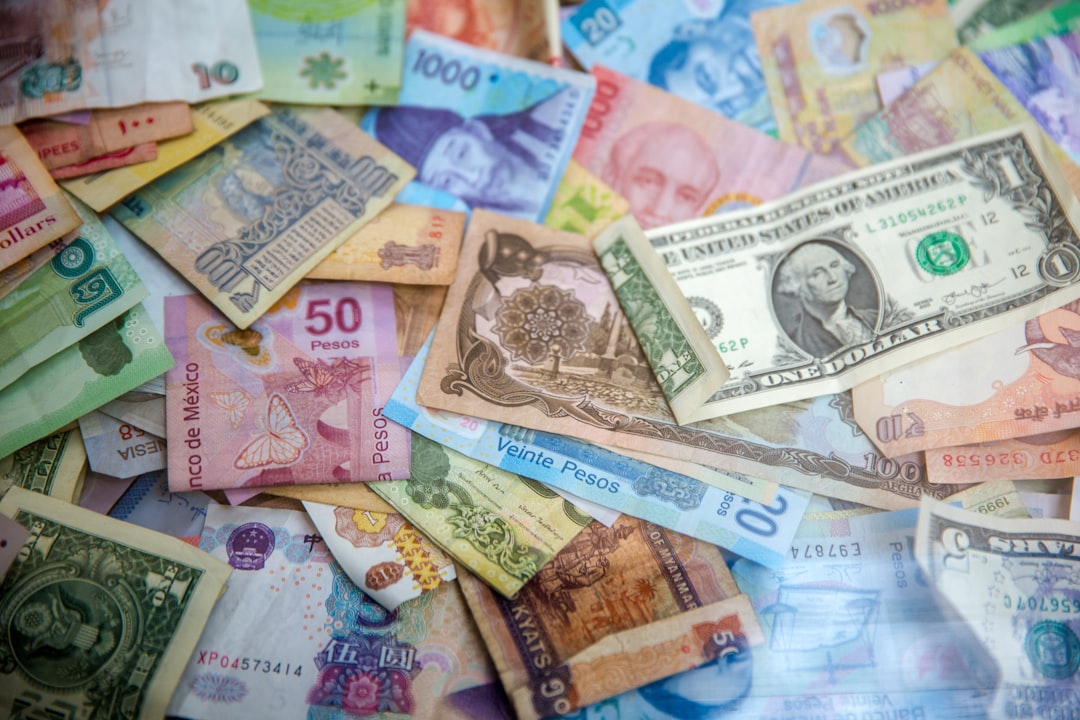
Iranian forex traders operate in a landscape fundamentally reshaped by decades of economic sanctions. What international traders take for granted—opening a broker account, depositing funds via PayPal, accessing educational platforms—represents a series of obstacles for Iranians navigating restricted markets. Sanctions have systematically blocked traditional pathways to forex participation, forcing traders to develop workarounds through VPNs, cryptocurrency, and unregulated local platforms. This article examines how sanctions transformed every dimension of forex trading for Iranians, from the brief optimism of the JCPOA period to today’s constrained reality. Understanding these barriers isn’t about finding easy shortcuts—it’s about recognizing the actual conditions Iranian traders face when entering global currency markets.
The Sanctions Timeline: From 1979 to Present Day
The economic isolation of Iran began immediately after the 1979 Islamic Revolution, when the United States imposed its first wave of sanctions following the hostage crisis. For nearly three decades, these restrictions remained relatively limited in scope, primarily targeting specific government entities and military organizations. Iranian traders could still access international financial markets, albeit with growing difficulty as compliance requirements tightened throughout the 1990s and early 2000s.
Pre-2006: Early Restrictions
Before 2006, sanctions focused mainly on direct U.S. investments and specific prohibited goods. International forex brokers did not systematically exclude Iranian clients, and the banking sector maintained correspondent relationships with foreign institutions. Currency transactions, while monitored, remained possible through official channels. The forex trading landscape for Iranians during this period resembled that of other developing economies—challenging but not fundamentally blocked.
The turning point arrived in 2006 when the United Nations Security Council passed Resolution 1737, responding to Iran’s nuclear enrichment activities. What followed was an escalation that fundamentally restructured market access for Iranian traders. By 2012, comprehensive sanctions targeted Iran’s central bank, petroleum sector, and financial institutions. The SWIFT banking network expelled Iranian banks in 2012, severing the primary mechanism for international wire transfers. Forex brokers began adding Iran to their restricted countries lists en masse, driven by OFAC compliance requirements and the risk of substantial penalties.
2016-2018: The JCPOA Window
The Joint Comprehensive Plan of Action, implemented in January 2016, opened a brief window of opportunity. Sanctions relief allowed some Iranian banks to reconnect with SWIFT, and a handful of international brokers cautiously began accepting Iranian clients again. Forex reserves stabilized, and the rial appreciated approximately 25% against the dollar during this period. For Iranian traders, this represented the first genuine improvement in market conditions in over a decade.
This window slammed shut in May 2018 when the United States withdrew from the JCPOA and reimposed comprehensive sanctions. By November 2018, secondary sanctions targeted any entity doing business with Iran, effectively forcing international brokers to choose between the Iranian market and access to U.S. financial systems. The choice was obvious. Today, over 600 Iranian entities remain sanctioned, creating barriers at every level of forex trading—from account opening to payment processing to platform access.
How Sanctions Decimated Broker Access for Iranian Traders
More than 70% of international forex brokers now explicitly reject Iranian clients, transforming what was once a straightforward account registration process into a frustrating series of rejections. This wholesale exclusion stems directly from the legal and financial risks brokers face when dealing with Iranian nationals, regardless of their personal circumstances or trading experience.
OFAC Compliance and Broker Liability
The U.S. Office of Foreign Assets Control (OFAC) enforces sanctions that create severe consequences for financial institutions servicing Iranian clients. Brokers accepting Iranian traders face potential penalties including massive fines, loss of banking relationships, and criminal prosecution of executives. Even brokers based outside the United States must comply if they hold U.S. dollar accounts, process payments through American banking systems, or maintain any operational presence in U.S. territories.
This compliance burden extends beyond simple geographic blocking. Brokers implement sophisticated verification systems including IP address monitoring, document authentication, and payment source verification. When Iranian traders attempt registration using foreign addresses or documentation, these multi-layered checks typically flag the account for rejection. The automated nature of these systems means customer service representatives often lack authority to override restrictions, even in borderline cases.
Alternative Jurisdictions and Offshore Brokers
The remaining brokers willing to accept Iranian clients typically operate from jurisdictions with minimal regulatory oversight and no direct exposure to U.S. financial systems. These brokers commonly register in countries like Vanuatu, Saint Vincent and the Grenadines, or certain Central Asian nations where sanctions enforcement is less stringent.
However, this limited access comes with substantial tradeoffs. Offshore brokers accepting Iranian clients frequently impose higher spreads, offer limited deposit and withdrawal options, and provide minimal regulatory protection if disputes arise. Iranian traders using these platforms also face account closure risks if the broker later tightens compliance policies or loses payment processing relationships. The combination of legal uncertainty and operational instability makes broker selection one of the most critical—and challenging—decisions Iranian forex traders must navigate.
The Payment Processing Crisis: No PayPal, No Skrill, No Easy Deposits
International payment processors have completely shut their doors to Iranian traders. PayPal stopped serving Iranian accounts in 2012 following strengthened sanctions enforcement, while Skrill, Neteller, and other major e-wallets never extended services to Iran in the first place. This creates an immediate problem: even when Iranian traders find a broker willing to accept their registration, they have no straightforward way to fund their accounts.
Blocked Payment Channels
The sanctions architecture maintained by OFAC and similar regulatory bodies means traditional financial pathways are effectively closed. International bank wire transfers, once a viable option, now face severe restrictions. Iranian banks cannot process SWIFT transactions with most Western financial institutions, and the few transfers that do go through often take weeks to clear, incur fees of 10-15% or more, and may be frozen without explanation during compliance reviews.
Credit and debit cards issued by Iranian banks are equally useless. Visa and Mastercard ceased processing transactions from Iranian-issued cards years ago. Even when a trader manages to open an account with an offshore broker, they cannot simply deposit $500 and start trading like their counterparts in Europe or Asia.
Cryptocurrency as an Alternative
Cryptocurrency has emerged as the primary workaround for Iranian traders. Bitcoin, Ethereum, and USDT Tether allow deposits that bypass traditional banking infrastructure entirely. Traders typically:
- Purchase cryptocurrency through local Iranian exchanges or peer-to-peer platforms
- Transfer the crypto to their broker’s designated wallet address
- Convert the deposit into USD or EUR within the trading account
This method works, but carries substantial risks. Cryptocurrency prices can fluctuate 5-10% during the hours it takes to complete a transfer, effectively adding an unpredictable fee to every deposit. Exchange fees compound the problem—converting IRR to crypto, transferring between wallets, and converting crypto to USD can collectively consume 8-12% of the initial amount.
Additionally, some brokers charge premium fees for cryptocurrency deposits or apply unfavorable conversion rates. Iranian traders also face legal ambiguity, as Iran’s regulatory stance on cryptocurrency remains inconsistent, with periodic crackdowns followed by tacit acceptance.
Currency Collapse: How the Rial’s Depreciation Reshaped Trading Motivations
Between 2018 and 2023, the Iranian rial lost over 600% of its value against the US dollar, transforming forex trading from a speculative activity into a survival strategy for millions of Iranians. What began as economic pressure from renewed sanctions evolved into a full-blown currency crisis that fundamentally altered how Iranian citizens viewed foreign exchange markets.
The numbers tell a stark story. The rial traded at approximately 32,000 per USD in early 2018. By 2023, that figure had climbed to 42,000 IRR per dollar on the official market, representing a 31% official depreciation. But this official figure masked a far more severe reality playing out in Iran’s parallel currency markets.
The Official vs Black Market Rate Gap
The divergence between official and unofficial exchange rates became one of the defining features of Iran’s sanctions-era economy. During peak sanctions pressure in 2020-2021, the spread between the Central Bank of Iran’s official rate and the black market rate reached 40%. A dollar that officially cost 42,000 rials might trade for 60,000 rials or more on Tehran’s Ferdowsi Street or through informal currency dealers.
This gap created a two-tier economy where access to official rates became a privilege reserved for essential imports and government-approved transactions. Ordinary Iranians faced the black market rate for foreign currency, watching their purchasing power evaporate as the rial’s value collapsed against hard currencies.
Why Forex Became a Hedge Against Rial Depreciation
Currency instability drove an estimated 1-2 million Iranians to online trading platforms as a defensive financial measure. Holding foreign currency pairs, even through leveraged positions, offered a potential hedge against rial depreciation that traditional banking simply couldn’t provide. A trader holding a USD/EUR position could preserve value while their rial-denominated savings eroded by double-digit percentages annually.
The calculus became straightforward: keeping wealth in rials guaranteed losses, while forex trading offered at least the possibility of maintaining purchasing power. This wasn’t speculation driven by greed but preservation driven by necessity.
Capital Controls and CBI Restrictions: The Domestic Barrier
Between 2011 and 2023, Iran’s foreign exchange reserves plummeted from $120 billion to $86 billion—a loss of nearly $34 billion that fundamentally reshaped how the Central Bank of Iran approaches currency regulation. While international sanctions created external pressure, the CBI’s response has built an equally formidable domestic barrier for Iranian forex traders.
The CBI implemented comprehensive capital controls that extend far beyond typical regulatory oversight. Foreign currency transactions now face multi-layered approval processes, with citizens limited in how much foreign currency they can purchase and for what purposes. These restrictions aren’t merely bureaucratic inconveniences. They represent a systematic effort to preserve dwindling forex reserves by controlling every outbound dollar.
International money transfers have become particularly problematic. Even legitimate business transactions require extensive documentation, approval from multiple government entities, and often face unexplained delays or rejections. For forex traders attempting to fund international brokerage accounts, these controls create a nearly insurmountable obstacle through official channels. The CBI’s banking circulars explicitly restrict transfers to most foreign financial institutions, effectively cutting off direct access to regulated forex brokers.
The government maintains a multi-tier exchange rate system, with official rates diverging sharply from black market rates. This currency fragmentation compounds the challenge—traders operating in the unofficial market face legal risks while official channels remain largely inaccessible for forex trading purposes. The CBI’s priority remains preserving national reserves rather than facilitating individual traders’ access to international markets, creating a domestic policy environment that often proves more restrictive than the sanctions themselves.
The Rise of VPNs, Local Brokers, and Peer-to-Peer Platforms
When international brokers began blocking Iranian IP addresses en masse after 2012, traders didn’t abandon forex—they adapted. Within months, VPN usage became the default method for accessing global trading platforms, transforming what was once a security tool into a basic necessity for market participation.
Iranian traders typically use VPNs to mask their location, registering accounts with foreign addresses and routing their connections through servers in the UAE, Turkey, or European countries. This approach provides access to platforms like MetaTrader 4 and 5, along with the full range of currency pairs and trading tools. However, the workaround introduces multiple vulnerabilities:
- Account termination risk: Brokers employ sophisticated detection methods that identify VPN usage through IP inconsistencies, payment mismatches, and behavioral patterns
- Withdrawal complications: Even successful traders face frozen accounts when brokers discover geographic discrepancies between registration data and actual location
- Higher latency: VPN routing adds milliseconds to execution speeds, creating slippage issues during volatile market conditions
- Legal ambiguity: While Iran doesn’t explicitly prohibit VPN use for trading, misrepresenting location to foreign financial institutions creates potential compliance violations
The Unregulated Local Broker Landscape
Domestic brokerages operating within Iran emerged as an alternative, offering Rial-denominated accounts and local payment methods without VPN requirements. These entities process thousands of transactions monthly, yet operate in a regulatory gray zone. The Central Bank of Iran doesn’t license forex brokers, leaving traders without recourse when disputes arise.
The trade-offs are significant. Local brokers typically offer wider spreads (often 5-10 pips on EUR/USD versus 1-2 pips internationally), limited leverage options, and restricted withdrawal policies. Some function as legitimate market makers; others operate bucket shops that trade against clients rather than executing orders on real markets.
Peer-to-peer platforms represent the third adaptation strategy, connecting Iranian traders directly with counterparties for currency exchange and position transfers. These systems bypass traditional banking infrastructure entirely, using cryptocurrency as an intermediary settlement layer. The model provides access but demands trust in unverified counterparties and acceptance of price premiums ranging from 2-8% above spot rates.
How Education and Information Access Changed Under Sanctions
When sanctions tightened after 2018, Iranian traders lost direct access to most international trading education platforms. Sites like BabyPips, Investopedia’s advanced courses, and premium trading academies began blocking Iranian IP addresses or rejecting payment methods from the country. This created an immediate knowledge gap for traders who had relied on English-language resources for technical analysis, risk management, and platform tutorials.
The vacuum filled quickly with Farsi-language alternatives, though quality varied dramatically. Telegram channels became the primary education hub, with some groups attracting over 100,000 members sharing trading signals, chart analysis, and broker recommendations. YouTube channels in Farsi proliferated, offering everything from MetaTrader tutorials to Elliott Wave theory explanations. Local websites emerged to translate and repurpose international content, though many lacked proper attribution or verification of accuracy.
This shift created significant challenges for traders trying to distinguish credible information from misleading advice. Without access to regulated educational providers or certified instructors, Iranians had no standardized way to verify an educator’s credentials or track record. Scam signals services and overpriced courses exploited this gap, promising unrealistic returns with little accountability.
Community-driven learning became essential out of necessity. Traders formed peer review groups on Telegram and WhatsApp to cross-check strategies and validate broker recommendations before risking capital. Local meetups in major cities like Tehran and Mashhad allowed experienced traders to mentor newcomers, creating informal apprenticeship networks. These communities developed their own vetting processes, sharing experiences about which brokers actually paid withdrawals and which educational resources proved reliable in live trading conditions.
The Crypto Pivot: Trading Beyond Traditional Forex
Between 2020 and 2022, cryptocurrency trading volume in Iran surged by over 300%, transforming digital assets from a fringe experiment into a mainstream financial tool for Iranian traders. This dramatic shift wasn’t driven by speculative fever alone. Cryptocurrency offered something that traditional forex markets increasingly couldn’t: a pathway around sanctions-imposed barriers.
For Iranian traders locked out of international forex brokers, crypto trading platforms presented a dual-purpose solution. Digital assets functioned simultaneously as trading instruments and payment methods, bypassing the SWIFT banking system that sanctions had effectively severed. Traders who previously struggled to deposit funds with offshore brokers could now fund accounts using Bitcoin, Tether, or other cryptocurrencies acquired through local peer-to-peer exchanges or mining operations.
The government’s response to this crypto surge has oscillated between restriction and pragmatic acceptance. While the Central Bank of Iran initially prohibited cryptocurrency transactions in 2018, authorities later recognized crypto mining as a legitimate industrial activity in 2019. By 2022, officials discussed frameworks for using cryptocurrency in foreign trade to circumvent sanctions, signaling a strategic shift in how the government views digital assets within Iran’s sanctions-constrained economy.
Sanctions have fundamentally restructured every aspect of forex trading for Iranians—broker access, payment processing, education, and even the basic motivations driving traders to markets. What emerged from decades of restrictions is a parallel trading ecosystem built on workarounds: VPNs masking locations, cryptocurrency replacing wire transfers, Telegram channels substituting for regulated education platforms, and unregulated local brokers filling gaps left by international firms. Iranian traders have demonstrated remarkable adaptability, developing strategies that allow market participation despite systematic exclusion from mainstream financial infrastructure. Yet adaptability shouldn’t be confused with accessibility. Significant barriers remain—higher costs, legal uncertainties, withdrawal risks, and limited regulatory protection create trading conditions far more challenging than those faced by international counterparts. For Iranians considering forex trading, understanding these sanctions-imposed realities isn’t optional preparation—it’s essential due diligence. The landscape continues evolving with shifting geopolitical dynamics, requiring traders to stay informed about regulatory changes, broker policies, and emerging workarounds. Success in this environment demands not just trading skill, but careful navigation of the legal and practical obstacles that sanctions have embedded into every transaction.