
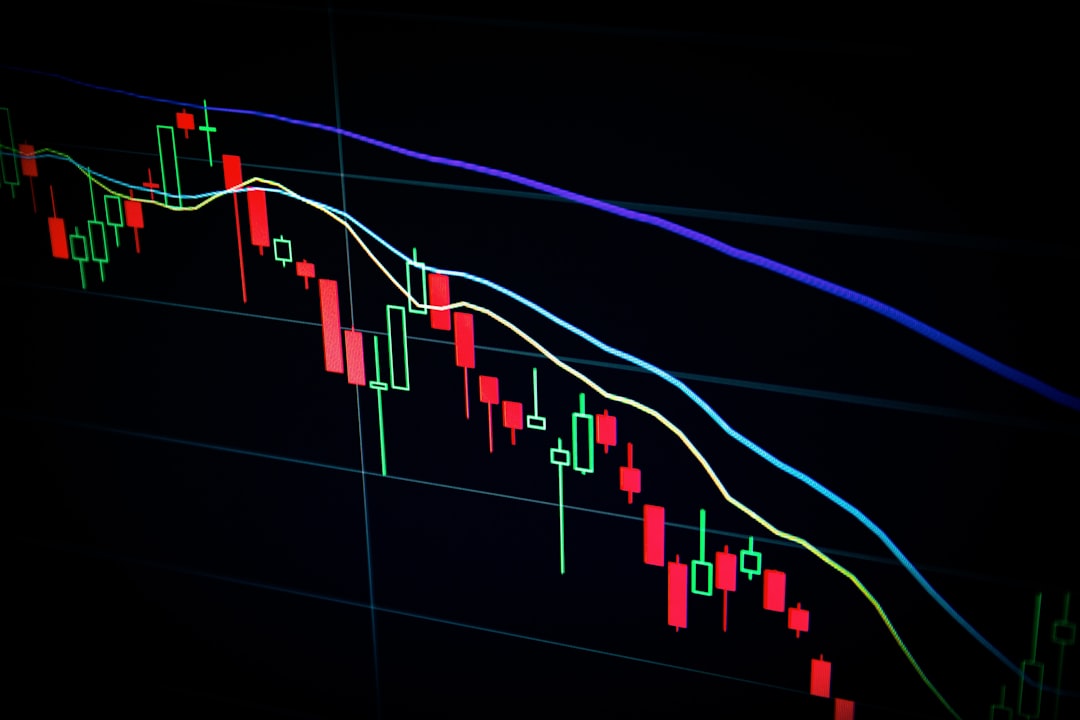
The Iranian rial has lost over 600% of its value since 2018, trading at more than 500,000 IRR per USD by 2023—a collapse that has devastated savings and forced traders to seek alternatives. With annual inflation running at 40-50%, traditional rial-denominated accounts guarantee wealth destruction. Forex trading has emerged as one hedging strategy Iranian traders use despite significant access restrictions and sanctions-related barriers. This guide provides practical education on the legal landscape, broker selection, payment processing challenges, and risk management strategies specific to Iranian market conditions. This isn’t about unrealistic profit promises—it’s about understanding whether currency trading can serve as part of a realistic wealth preservation approach in an extraordinarily challenging economic environment.
Understanding Currency Devaluation and the Need for Hedging in Iran
The Iranian rial has collapsed by over 600% against the US dollar since 2018, transforming the economic landscape for ordinary Iranians. A dollar that cost 42,000 rials in early 2018 demanded more than 500,000 rials by 2023—effectively wiping out savings held in local currency and forcing traders to seek alternative wealth preservation strategies. This devaluation wasn’t gradual or predictable. It accelerated through waves of sanctions, monetary policy missteps, and structural economic pressures that left traditional banking products defenseless.
The Scale of Rial Devaluation Since 2018
The numbers tell a stark story. Between 2018 and 2023, the rial lost approximately 85% of its purchasing power against major currencies. Someone holding 100 million rials in 2018—worth roughly $2,380 at the time—would see that same amount worth only $200 by 2023 without any action taken to hedge. The gap between official and black market rates widened to 50% or more during crisis periods, creating a dual-currency economy where access to dollars at official rates became a privilege rather than a right. For Iranian traders, this meant watching their savings evaporate month by month, regardless of how prudently they managed household budgets.
Why Traditional Savings Fail in High-Inflation Environments
Annual inflation rates hovering between 40-50% during this period meant that even the highest-yield rial-denominated savings accounts offered negative real returns. A savings account paying 20% annual interest still lost 20-30% of its purchasing power each year when inflation ran at 40-50%. Real estate, historically a hedge for Iranian families, became illiquid and vulnerable to regulatory changes. Gold offered partial protection but carried storage risks and lacked the liquidity many traders needed.
Currency hedging—holding assets denominated in stable foreign currencies—emerged as a practical response. Forex trading represents one avenue among several (including cryptocurrency, foreign bank accounts, and physical dollar holdings) for Iranians to convert depreciating rials into dollar-denominated positions. Unlike physical cash, forex positions offer leverage, 24-hour liquidity, and the ability to profit from rial weakness rather than simply endure it.
Legal Status and Regulatory Landscape of Forex Trading in Iran
The legal status of forex trading in Iran exists in a challenging gray zone that most Iranian traders navigate daily. While forex trading itself is not explicitly illegal, the Central Bank of Iran maintains strict capital controls that effectively prohibit most forms of currency speculation and foreign exchange transactions outside officially sanctioned channels. These restrictions place Iranian traders in a precarious position where the activity of trading currencies is technically permissible, but the mechanisms required to do so often fall outside regulatory approval.
Central Bank Controls and Capital Flight Concerns
Iranian authorities view unauthorized forex trading primarily through the lens of capital flight. With the rial experiencing devaluation from approximately 42,000 IRR per USD in 2018 to over 500,000 IRR per USD by 2023, the government considers unofficial currency transactions as activities that accelerate rial weakness and drain foreign exchange reserves. The Central Bank of Iran has implemented several measures to restrict access to foreign currency:
- Mandatory surrender requirements forcing exporters to repatriate foreign currency earnings
- Daily limits on personal foreign currency purchases through official channels
- Prohibition of online payment platforms that facilitate international transfers
- Periodic crackdowns on unlicensed money exchange operations
These enforcement actions have intensified during periods of acute currency pressure, with authorities targeting both physical exchange offices and online trading activities.
The Official vs. Black Market Exchange Rate Gap
The divergence between official and parallel market rates creates substantial legal ambiguity. When the spread between these rates exceeds 20-50%, Iranian traders face a dilemma. Accessing forex through official channels often means accepting unfavorable rates and bureaucratic restrictions, while black market transactions offer realistic pricing but carry legal risks.
The practical reality is that most Iranian forex traders operate through offshore brokers that accept Iranian clients, using cryptocurrency or informal payment channels to fund their accounts. This approach exists in regulatory limbo—neither explicitly authorized nor actively prosecuted in most cases, but subject to changing enforcement priorities. Traders should understand that regulatory tolerance can shift rapidly based on economic conditions and political considerations.
Accessing Forex Markets: Broker Selection for Iranian Traders
Finding a legitimate broker as an Iranian trader means accepting higher costs and fewer options than traders in most other countries. The sanctions landscape has forced Iranian traders into a secondary market where spreads can reach 2-3 pips on major pairs compared to the 0.5-1 pip spreads available to European or American traders.
Why Major Brokers Don’t Accept Iranian Clients
US and EU sanctions prohibit most regulated brokers from servicing Iranian clients. FXCM, IG Group, OANDA, and other tier-one brokers explicitly block Iranian registrations and IP addresses. These restrictions stem from OFAC (Office of Foreign Assets Control) regulations that penalize financial institutions facilitating transactions with Iranian nationals. Even brokers regulated in Cyprus, the UK, or Australia—typically accessible to traders worldwide—maintain strict Iranian client prohibitions to preserve their banking relationships and regulatory standing.
This regulatory exile pushes Iranian traders toward offshore brokers operating from jurisdictions with minimal oversight: Saint Vincent and the Grenadines, Seychelles, Vanuatu, or Belize. These brokers fill the gap but operate outside major regulatory frameworks, increasing counterparty risk.
Evaluating Offshore Brokers: Key Criteria
When selecting from the limited pool of brokers accepting Iranian clients, prioritize these factors:
- Operational longevity: Brokers operating for 5+ years demonstrate stability. Newer brokers may disappear with client funds when facing payment processor issues or regulatory pressure.
- Payment method flexibility: The best options for Iranian traders support cryptocurrency deposits (USDT, Bitcoin), Perfect Money, or local payment processors. Brokers requiring only wire transfers create withdrawal complications.
- MetaTrader 4/5 availability: These platforms don’t impose geographic restrictions and work reliably with VPN connections. Proprietary platforms often include IP blocking that affects Iranian users.
- Spread transparency: Request real-time spread data before depositing. Acceptable EUR/USD spreads for Iranian traders range from 1.5-2.5 pips; anything above 3 pips indicates excessive markup.
- Leverage limits: Offshore brokers often advertise 1:500 or 1:1000 leverage. While tempting, these ratios amplify losses. Experienced Iranian traders typically use 1:100 or less to manage the additional risk of trading through unregulated entities.
Never deposit more than you can afford to lose completely. The absence of regulatory protection means no compensation schemes exist if a broker fails or refuses withdrawals.
Payment Methods: Funding and Withdrawing from Forex Accounts
Traditional banking channels don’t work for Iranian traders. PayPal, Visa, Mastercard, and international wire transfers are off the table due to comprehensive sanctions. This reality forces Iranian forex traders to operate through alternative payment networks that circumvent conventional banking infrastructure.
Cryptocurrency: The Dominant Funding Method
Approximately 70% of Iranian traders rely on cryptocurrency for deposits and withdrawals. Bitcoin, Tether (USDT), and Ethereum have become the standard currencies for funding forex accounts through offshore brokers.
The typical process works as follows:
- Purchase cryptocurrency from Iranian exchanges like Nobitex, Wallex, or Ramzinex using Iranian Rials
- Transfer the crypto to your personal wallet (never send directly from an Iranian exchange to a broker)
- Send cryptocurrency from your personal wallet to the broker’s designated wallet address
- The broker converts crypto to USD and credits your trading account
- For withdrawals, reverse the process—broker sends crypto to your wallet, then sell on Iranian exchanges for Rials
The primary advantage is speed and accessibility. Most crypto deposits credit within 30 minutes to 2 hours. The disadvantages include volatility risk during the transfer window and transaction fees at multiple stages. Expect to lose 2-4% of your funds across exchange spreads, blockchain fees, and broker conversion rates.
Alternative Payment Processors and Local Exchangers
Perfect Money remains one of the few electronic payment processors still accessible to Iranian traders. Several brokers accept Perfect Money deposits, though fewer than those accepting cryptocurrency. The funding chain typically involves purchasing Perfect Money vouchers from local Iranian exchangers (often operating through Telegram channels) at a 3-7% premium above the official rate.
Local money exchangers in Tehran, Mashhad, and other major cities also facilitate direct deposits with certain brokers. These services operate in legal gray areas, charging 5-10% commissions but offering convenience for traders uncomfortable with cryptocurrency. Always use VPN access when visiting broker websites or logging into trading platforms, as many broker domains are blocked within Iran.
Forex Hedging Strategies for Iranian Traders
With the rial losing over 600% of its value against the dollar between 2018 and 2023, Iranian traders need practical hedging approaches that address their specific circumstances. The goal isn’t aggressive speculation but systematic protection of purchasing power against currency devaluation.
Simple Dollar Exposure as a Hedge
The most straightforward hedge involves establishing long positions in USD-based currency pairs. Since direct USD/IRR trading isn’t available through most offshore brokers, Iranian traders typically use major pairs like EUR/USD or GBP/USD as proxies. Going long on USD/JPY or USD/CHF provides direct dollar exposure, while shorting EUR/USD gives indirect dollar strength positioning. Each approach has different correlation dynamics with rial weakness.
For example, a trader with 500 million IRR in savings might convert the equivalent of $1,000 USD (at market rates) into a forex account and hold long USD/JPY positions. This creates a buffer: as the rial weakens, dollar-denominated assets appreciate in local currency terms, offsetting domestic purchasing power loss.
The key distinction is between holding spot positions long-term versus active trading. Pure hedging means maintaining positions for months or years, accepting short-term volatility in exchange for structural currency protection. Active trading introduces speculation risk that can undermine hedging objectives.
Portfolio Allocation: How Much to Hedge
Position sizing should reflect your exposure to rial-denominated assets and risk tolerance. A practical framework allocates 20-40% of liquid savings to forex hedges for moderate protection, while more aggressive hedgers might reach 50-60%.
Calculate your hedge ratio by dividing your forex position value (in USD) by total rial savings (converted to USD at current rates). If you hold positions worth $2,000 against $10,000 equivalent in rial assets, your hedge ratio is 20%. Adjust this based on expected devaluation speed and your ability to absorb short-term forex losses.
Diversification across currency pairs reduces single-pair volatility. Splitting exposure between USD/JPY, USD/CHF, and inverse EUR/USD positions (through short EUR/USD) creates more stable hedging performance than concentrating in one pair. Rebalance quarterly to maintain target ratios as relative values shift.
Risk Management and Cost Considerations
Iranian traders face a sobering reality: transaction costs for forex trading can easily consume 3-5% of capital before a single trade reaches profit, and the risk of total capital loss remains substantial even when using forex as a hedging tool. The volatility that makes currency trading attractive for hedging against rial devaluation simultaneously creates conditions where leveraged positions can liquidate accounts within hours.
Understanding Total Trading Costs
The cost structure for Iranian traders differs dramatically from Western counterparts. Beyond standard spreads and commissions, payment processing fees through cryptocurrency intermediaries typically add 2-4% on deposits and withdrawals. A typical cost breakdown includes:
- Spreads: 1.5-3 pips on major pairs (compared to 0.5-1 pips for traders with direct bank access)
- Commissions: $3-7 per standard lot for brokers accepting Iranian clients
- Cryptocurrency conversion fees: 1-2% when converting IRR to USDT or BTC
- Blockchain transaction fees: $5-25 depending on network congestion
- Withdrawal processing: 2-3% charged by offshore payment processors
For a trader depositing $1,000 through cryptocurrency, actual trading capital may be reduced to $920-940 before the first position opens. These costs compound with each deposit-withdrawal cycle, requiring substantially higher returns just to break even compared to alternative hedging methods.
Leverage: A Double-Edged Sword
While 1:100 or 1:500 leverage amplifies potential gains, it transforms moderate market moves into account-ending events. A 2% adverse price movement with 1:100 leverage eliminates the entire position. Iranian traders operating with offshore brokers also face counterparty risk—brokers can freeze accounts, change terms, or disappear entirely with limited legal recourse.
| Hedging Method | Initial Cost | Annual Maintenance | Liquidity | Counterparty Risk |
|---|---|---|---|---|
| Forex Trading | 3-5% entry cost | Trading costs per transaction | High (24/7) | High (offshore brokers) |
| Physical Gold | 2-3% premium | Storage/insurance | Moderate | Low |
| Cryptocurrency | 1-2% conversion | Network fees | High (24/7) | Medium (exchange risk) |
| Real Estate | 5-8% transaction | Property tax/maintenance | Very Low | Low |
Forex trading offers unmatched liquidity but carries the highest risk profile among hedging alternatives. The combination of elevated costs, leverage risks, and counterparty exposure means many Iranian traders would preserve wealth more effectively through diversified holdings in gold and cryptocurrency rather than concentrating capital in leveraged forex positions.
Educational Resources and Community Support
The growth of Farsi-language forex content has transformed how Iranian traders learn to navigate currency markets. Unlike five years ago, when most educational materials required English proficiency, traders now have access to comprehensive resources in Persian across multiple platforms.
Telegram channels serve as the primary hub for Iranian forex education and community support. Channels like “Forex Mastery Iran” and “Tehran Traders” provide daily analysis, educational videos, and real-time market discussions with thousands of active members. YouTube has emerged as the second major platform, with Persian-speaking educators publishing technical analysis tutorials, trading psychology content, and broker reviews specifically addressing sanction-related challenges Iranian traders face.
Local trading communities offer invaluable peer support that addresses the unique realities of trading from Iran. These groups share practical knowledge about which brokers currently accept Iranian clients, cryptocurrency deposit methods that work reliably, and strategies for managing trades during internet disruptions. The community aspect helps traders avoid isolation and provides accountability during the difficult learning phase.
International Resources Adapted for Iranian Traders
Several established international platforms have become accessible to Persian speakers:
- BabyPips School of Pipsology: Community-translated sections available through Iranian forex forums
- TradingView: Interface supports Persian language with active Iranian user base sharing chart analysis
- Investing.com: Economic calendar and news available in Farsi, critical for fundamental analysis
Critical Practice Principles
Demo trading remains non-negotiable before risking actual capital. Given the difficulty Iranian traders face depositing funds through cryptocurrency channels, losing money due to inexperience becomes particularly costly. Reputable brokers offer unlimited demo accounts that replicate real market conditions without financial risk.
Red flags to avoid:
- Signal sellers promising 80%+ win rates or guaranteed monthly returns
- Telegram channels charging for “VIP signals” without transparent track records
- Educators claiming forex can replace full-time income within weeks
- Services requesting upfront payment in cryptocurrency without verifiable credentials
Iranian traders should maintain skepticism toward profit promises exceeding 5-10% monthly returns, as these figures typically indicate scams rather than sustainable trading approaches.
Moving Forward: Making Informed Decisions About Forex Hedging
Forex trading can serve as a partial hedge against rial devaluation, but it comes with significant challenges that Iranian traders must weigh carefully. The sanctions environment creates higher costs, limited broker options, payment complications, and counterparty risks that don’t affect traders in most other countries. The legal ambiguity adds another layer of uncertainty that could shift with changing political winds. These realities mean forex hedging demands more capital, greater risk tolerance, and deeper market knowledge than alternative wealth preservation strategies.
This is one tool among several—not a complete solution. Gold, cryptocurrency, real estate, and foreign currency holdings each offer different risk-return profiles. Many Iranian traders find that diversifying across multiple hedging methods provides better protection than concentrating in any single approach. A portfolio combining physical gold for stability, cryptocurrency for liquidity, and modest forex positions for dollar exposure often outperforms aggressive concentration in leveraged currency trading.
If you decide forex hedging suits your situation, start small. Deposit only amounts you can afford to lose completely while you develop skills through months of demo trading and small live positions. Focus on education and risk management rather than profit targets. The Iranian trading community offers valuable support, but maintain skepticism toward unrealistic promises and signal sellers.
The economic environment facing Iranian traders remains extraordinarily difficult. Currency devaluation, inflation, and restricted market access create challenges that require practical, informed responses. Whether forex trading becomes part of your wealth preservation strategy depends on your specific circumstances, risk tolerance, and willingness to navigate the unique obstacles Iranian traders face. This guide provides the foundation—the decision and implementation rest with you.