Iranian forex traders navigate severe sanctions, broker restrictions, and regulatory uncertainty—yet continue adapting through cryptocurrency, VPN technology, and community-driven solutions. This analysis explores the next 3-5 years.
Iranian traders face unique broker selection challenges: over 70% of global brokers reject Iranian clients due to sanctions, forcing traders toward higher-cost, lower-protection alternatives that demand careful evaluation.
Iranian investors face unique challenges accessing forex and crypto markets under sanctions. This comprehensive comparison examines costs, accessibility, legal status, and practical trading conditions for both markets.
With 3-5 million Iranians now trading forex amid 600%+ rial devaluation and international sanctions, online communities have become essential infrastructure for education, broker access, and navigating payment barriers.
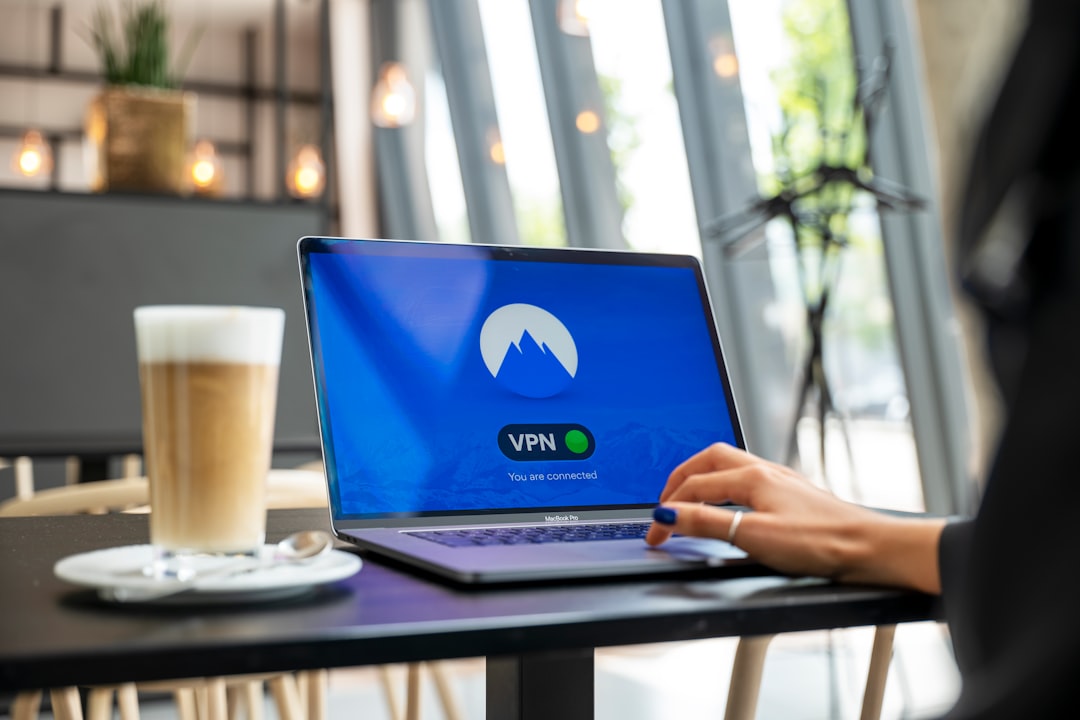
Economic sanctions have fundamentally transformed forex trading for Iranians, blocking broker access and payment methods while forcing traders to develop workarounds through VPNs, cryptocurrency, and alternative platforms.
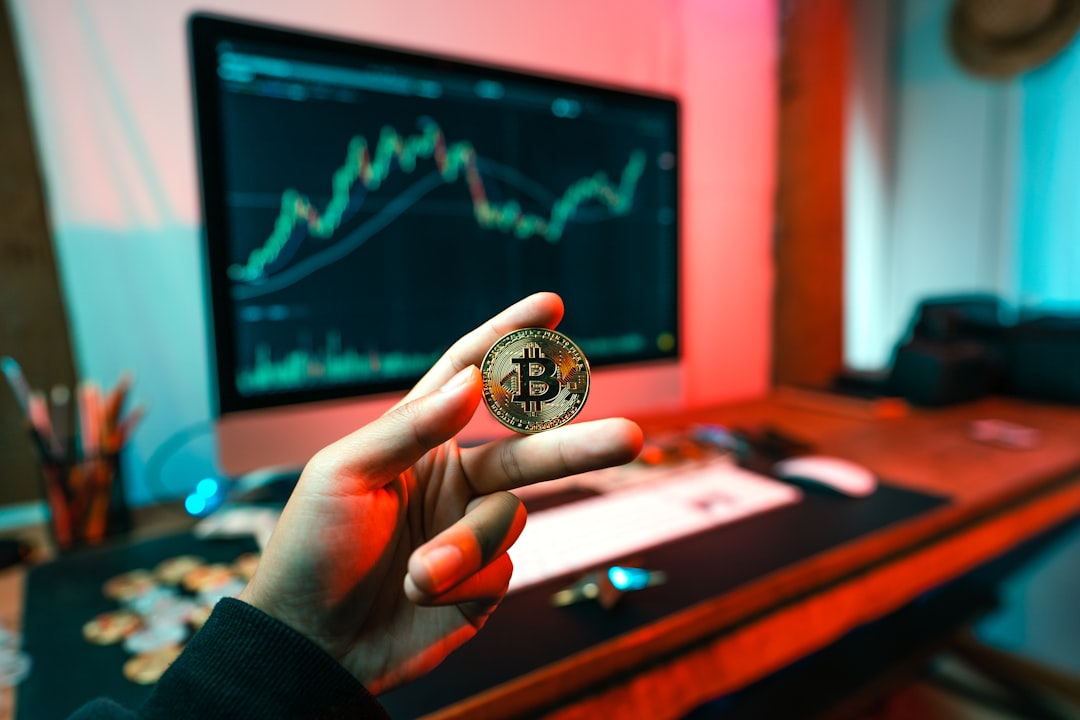
Iranian forex traders use USDT to bypass banking sanctions, accessing global markets through P2P platforms and crypto-friendly brokers despite 2-5% premiums and regulatory complexity.
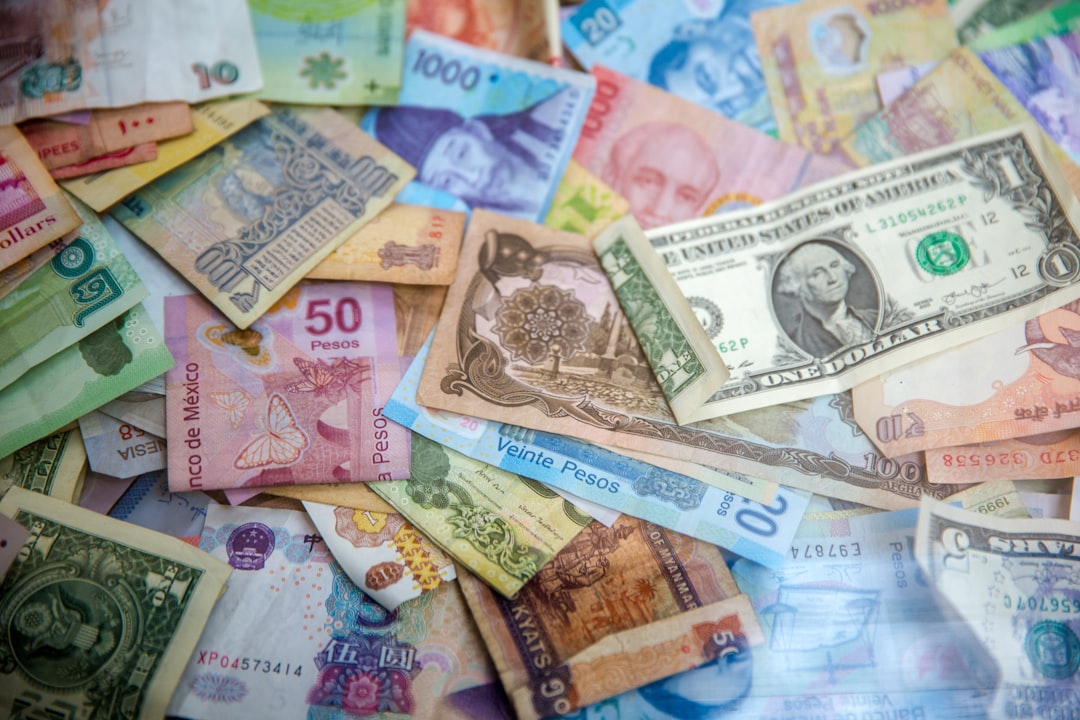
Iran's 600% rial depreciation since 2018 has transformed forex trading from speculation into a wealth preservation strategy, creating unique arbitrage opportunities alongside severe sanctions-related barriers for Iranian traders.
Iranian traders face unprecedented barriers accessing forex markets due to sanctions and banking restrictions, yet viable pathways exist through offshore brokers, cryptocurrency payments, and VPN technology.
Iranian forex traders in 2026 face unprecedented challenges from international sanctions, payment barriers, offshore broker risks, and domestic legal restrictions that fundamentally reshape market access.