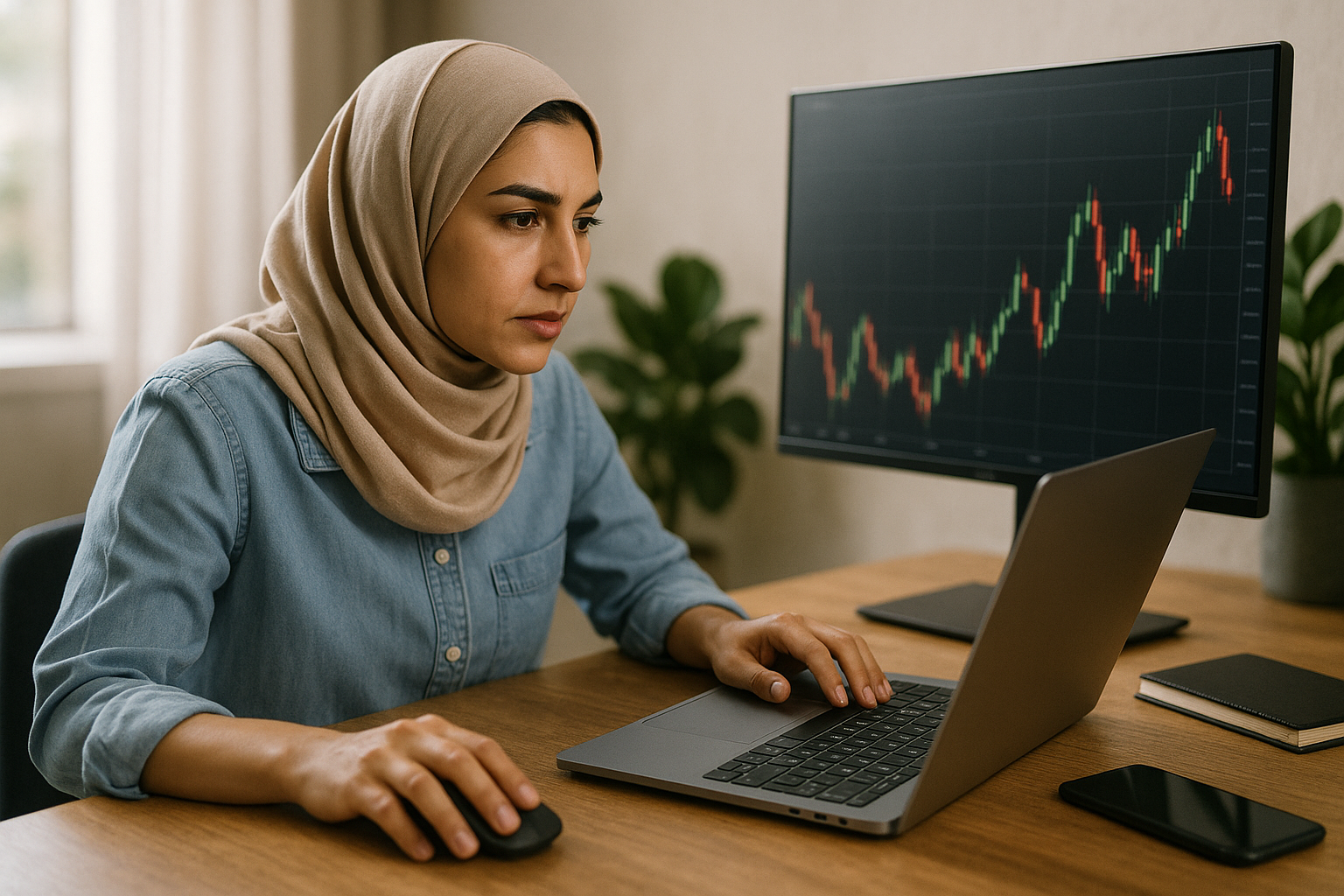
Iranian forex traders navigate severe sanctions, broker restrictions, and regulatory uncertainty—yet continue adapting through cryptocurrency, VPN technology, and community-driven solutions. This analysis explores the next 3-5 years.
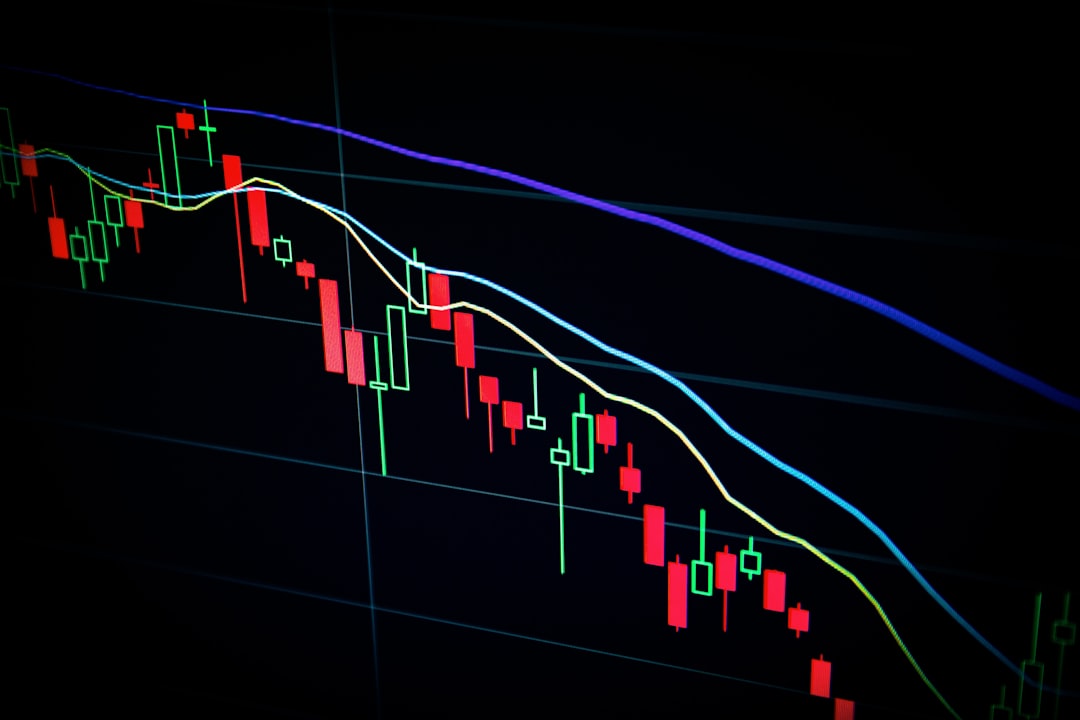
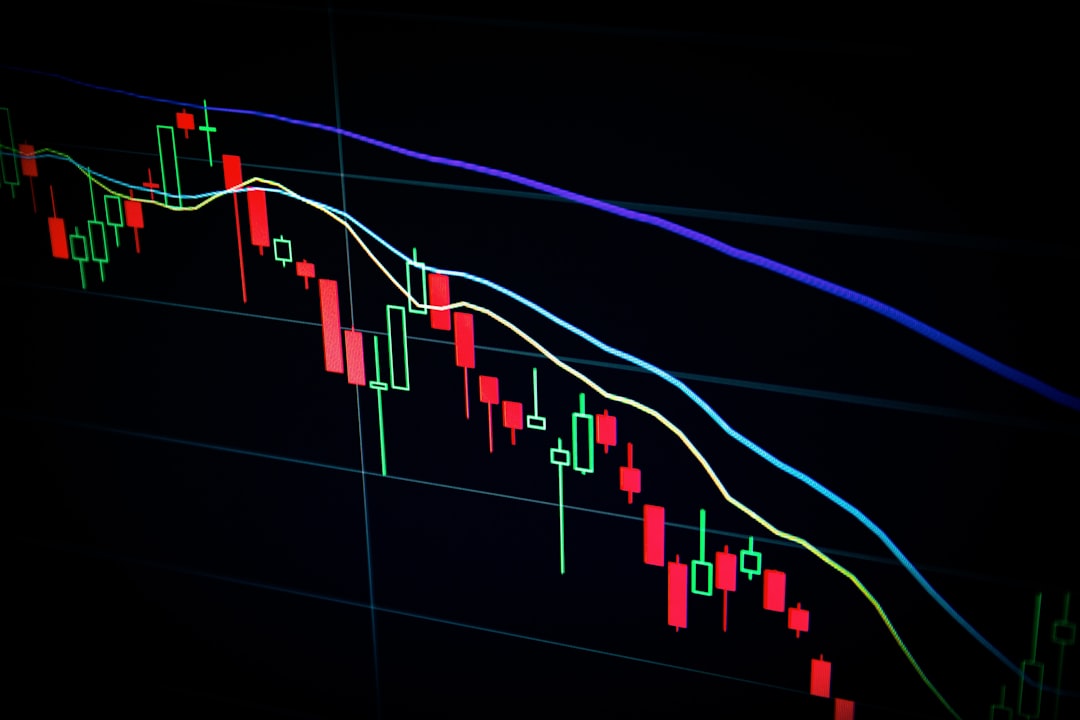
Iranian traders favor EUR/USD, USD/JPY, and GBP/USD for their liquidity and tight spreads—critical advantages when facing sanctions-limited broker access and capital restrictions.
Iranian traders face unique challenges analyzing forex news events under sanctions. This guide covers essential indicators to monitor, VPN-based news access, and practical strategies for trading around major announcements.
Iranian traders face 600% rial devaluation and 40-50% inflation. This guide covers forex hedging strategies, broker access, payment methods, and risk management for trading under sanctions.
Iranian forex traders use USDT to bypass banking sanctions, accessing global markets through P2P platforms and crypto-friendly brokers despite 2-5% premiums and regulatory complexity.
Iran's 600% rial depreciation since 2018 has transformed forex trading from speculation into a wealth preservation strategy, creating unique arbitrage opportunities alongside severe sanctions-related barriers for Iranian traders.
Iranian traders face unprecedented barriers accessing forex markets due to sanctions and banking restrictions, yet viable pathways exist through offshore brokers, cryptocurrency payments, and VPN technology.
Understanding Forex Trading in Iran Forex trading, or foreign exchange trading, involves the buying and selling of currencies on a global scale. In Iran, this practice has gained momentum...
Understanding Forex Rates in Iran’s Economy Foreign exchange rates, or forex rates, are pivotal to any nation’s economy, serving as indicators of economic health and stability. In Iran, the...
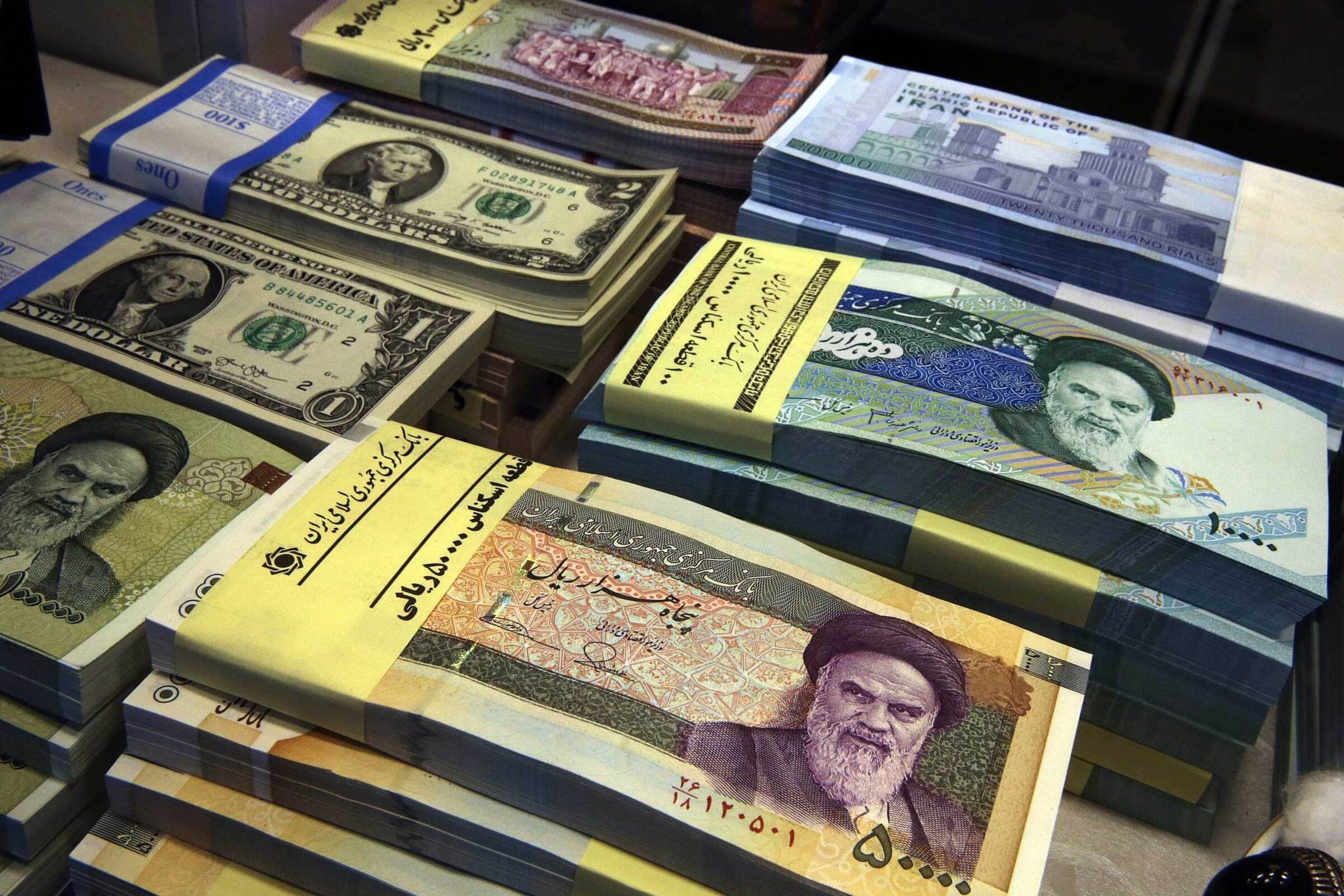
Iran’s Currency Faces Unprecedented Challenges Iran’s currency, the Iranian rial, has been undergoing severe challenges in recent years, marked by an unstable economy and international pressures. The rial has...