
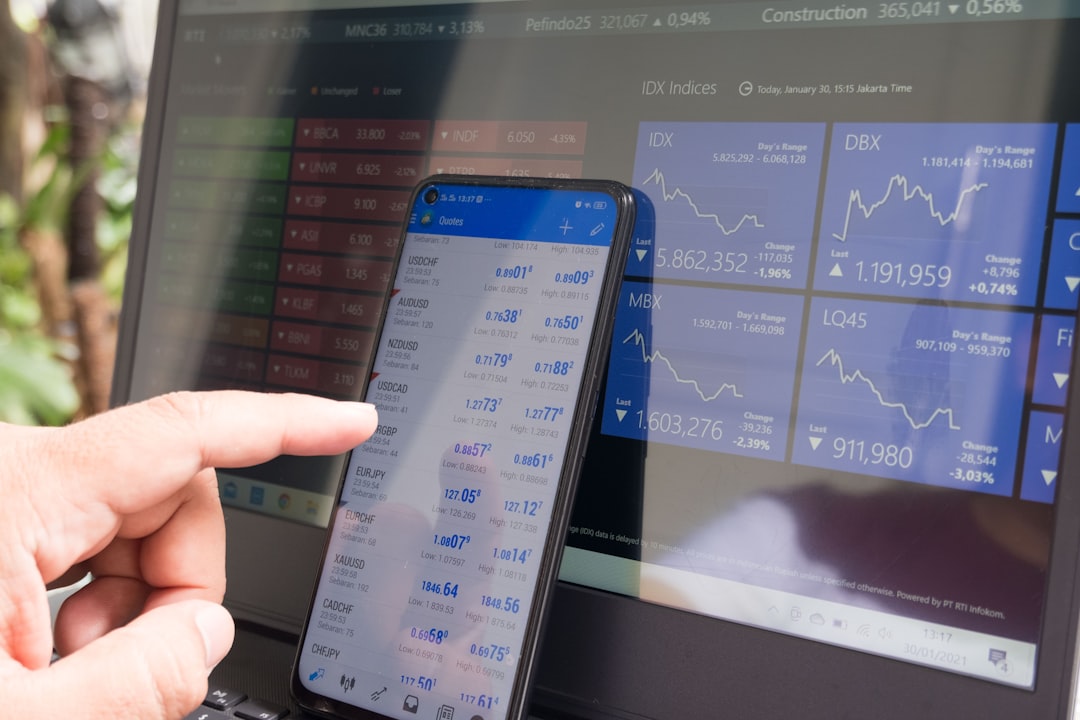
Iranian forex traders navigate a trading landscape fundamentally shaped by international sanctions and banking restrictions. Despite these barriers, a specific ecosystem of platforms and brokers has emerged to serve this market. MetaTrader 4 and MT5 dominate usage, with cTrader gaining traction among advanced traders. Success in this environment requires understanding which platforms actually work for Iranian clients, how to fund accounts through cryptocurrency, and which offshore brokers maintain reliable withdrawal processes. This article examines the platforms Iranian traders rely on in 2026, the brokers providing access, payment methods that bypass sanctions, and the due diligence practices that protect capital when regulatory safeguards don't exist.
Why Platform Selection Matters for Iranian Traders
Choosing the wrong trading platform can mean the difference between executing trades successfully and losing access to your account—and your funds—entirely. For Iranian traders, this decision carries weight that their counterparts in the United States, Europe, or even neighboring countries rarely face. International sanctions create a fundamentally different trading environment where platform reliability, payment flexibility, and regulatory transparency become survival requirements rather than simple preferences.
Sanctions and Access Restrictions
The sanctions landscape has reshaped how Iranian traders access global forex markets. Major brokers regulated by the FCA, ASIC, or CySEC typically prohibit Iranian registration outright due to compliance requirements. This restriction extends beyond account opening—even traders who successfully registered before sanctions intensified often find their accounts frozen without warning when compliance checks detect Iranian IP addresses or documentation.
Payment processors compound these access challenges. PayPal, Skrill, Neteller, and traditional wire transfers through SWIFT networks remain largely inaccessible. Over 70% of Iranian traders now rely on cryptocurrency deposits and withdrawals, making platform support for Bitcoin, Tether, or Ethereum a non-negotiable feature rather than a convenience. Platforms without crypto integration simply cannot serve the Iranian market effectively.
Internet restrictions add another layer of complexity. Periodic government-imposed throttling or blocking of foreign websites means traders need platforms that function reliably through VPN connections and offer offline charting capabilities. A platform that requires constant server communication becomes unusable during connectivity disruptions—potentially locking traders out during critical market movements.
The Importance of Due Diligence
Without regulatory protection from recognized authorities, Iranian traders face elevated fraud risk. The offshore brokers that accept Iranian clients—often registered in St. Vincent and the Grenadines, Seychelles, or Vanuatu—operate in jurisdictions with minimal oversight. This reality makes independent verification essential. Traders must research broker payment histories, test withdrawal processes with small amounts, and verify that platforms offer genuine market execution rather than bucket shop operations that trade against clients.
MetaTrader 4 and MetaTrader 5: The Dominant Platforms
MT4 accounts for approximately 65% of all trading platform usage among Iranian forex traders, with MT5 capturing an additional 20%. This overwhelming dominance stems from a combination of technical necessity and practical advantages that align perfectly with the challenges Iranian traders face daily.
Why MT4 Dominates the Iranian Market
The platform's popularity among Iranian traders isn't accidental. MT4 offers several critical advantages that directly address sanctions-related restrictions and infrastructure limitations:
- Universal broker availability — Nearly every offshore broker accepting Iranian clients offers MT4, including popular choices like RoboForex, FBS, and OctaFX
- Offline functionality — Traders can analyze charts and prepare orders without continuous internet connection, crucial given Iran's periodic connectivity disruptions
- Low bandwidth requirements — MT4 operates efficiently even on slower VPN connections, consuming roughly 1-5 MB per hour of active trading
- VPN compatibility — The platform functions smoothly through VPN services that Iranian traders must use to access international brokers
- Extensive Persian resources — A robust community of Iranian traders has created thousands of tutorials, indicator libraries, and educational materials in Farsi
The platform's Expert Advisor (EA) functionality allows Iranian traders to automate strategies during power outages or internet disruptions, a feature that has proven invaluable given infrastructure challenges. Additionally, MT4's lightweight installation file (under 2 MB) downloads quickly even with restricted internet speeds.
MT5 Adoption and Key Differences
While MT4 remains dominant, MT5 adoption has grown steadily since 2022, particularly among technically sophisticated Iranian traders. The newer platform offers hedging capabilities, more timeframes (21 versus MT4's 9), and an economic calendar built directly into the interface.
However, MT5's slower adoption rate reflects practical concerns. Many Iranian traders report that popular local educational content and custom indicators remain MT4-focused. The platform also requires slightly more bandwidth and processing power, creating friction for traders using older computers or mobile devices as their primary trading tools. Brokers accepting Iranian clients have been slower to migrate their infrastructure to MT5, meaning fewer account options and promotional offerings compared to MT4.
cTrader: The Growing Alternative Platform
While MetaTrader platforms dominate the Iranian forex market, cTrader has steadily carved out a niche among traders who demand more sophisticated execution and analytical capabilities. This ECN-focused platform appeals particularly to scalpers and algorithmic traders who find MetaTrader's architecture limiting for their strategies.
The platform's transparent order execution model stands as its primary advantage. Unlike MetaTrader's default market maker setup, cTrader connects traders directly to liquidity providers through true ECN routing. Iranian traders can view the full market depth, seeing real-time order book data that reveals where institutional buy and sell orders cluster. This transparency proves invaluable when executing high-frequency strategies where every pip matters.
Advanced Tools for Serious Traders
cTrader's charting engine surpasses MetaTrader in several technical dimensions. The platform offers 26 pre-installed timeframes compared to MT4's nine, allowing for granular analysis across unconventional periods like 2-hour or 8-hour charts. The drawing tools respond more fluidly, and the ability to detach charts into separate windows suits traders running multi-monitor setups.
For Iranian traders developing automated strategies, cTrader's cAlgo environment uses C# programming rather than MQL4/MQL5. While this creates a steeper learning curve, it provides access to more powerful coding libraries and better backtesting accuracy. Several brokers accepting Iranian clients—including Alpari International and RoboForex—now offer cTrader accounts alongside their MetaTrader options.
The platform's main limitation remains broker availability. Fewer offshore brokers supporting Iranian registration provide cTrader compared to MetaTrader, and the interface demands more technical knowledge. Traders comfortable with MT4's simplicity may find cTrader overwhelming initially, but those prioritizing execution quality over ease of use increasingly consider it worth the adjustment period.
Brokers Accepting Iranian Traders: Platform Providers
Iranian traders operate within a constrained broker ecosystem where platform selection is dictated not by marketing appeal but by fundamental accessibility. Only a handful of brokers actively accept Iranian clients, primarily offshore entities operating outside the jurisdiction of international sanctions enforcement. These brokers share common characteristics: registration in lenient regulatory environments, acceptance of cryptocurrency payments, and provision of high leverage ratios that appeal to capital-constrained traders.
Comparison of Popular Broker Platforms
Four brokers dominate the Iranian trading landscape, each offering distinct platform configurations and operational terms:
| Broker | Jurisdiction | Primary Platforms | Maximum Leverage | Crypto Deposits | Minimum Deposit |
|---|---|---|---|---|---|
| Alpari | St. Vincent & Grenadines | MT4, MT5 | 1:1000 | Yes (BTC, USDT) | $100 |
| RoboForex | Belize | MT4, MT5, cTrader, R Trader | 1:2000 | Yes (BTC, USDT, ETH) | $10 |
| FBS | Belize | MT4, MT5 | 1:3000 | Yes (BTC, USDT, ETH, LTC) | $1 |
| OctaFX | St. Vincent & Grenadines | MT4, MT5, OctaTrader | 1:500 | Yes (BTC, USDT, ETH) | $25 |
RoboForex stands out for platform diversity, offering cTrader alongside the standard MetaTrader suite. FBS attracts micro-capital traders with both the lowest entry threshold and highest leverage, though the 1:3000 ratio carries catastrophic risk potential. OctaFX maintains the most conservative leverage ceiling while providing proprietary mobile solutions through OctaTrader.
Jurisdiction and Regulatory Considerations
The prevalence of St. Vincent and Belize registrations reflects strategic regulatory arbitrage. These jurisdictions impose minimal capital requirements, permit unrestricted leverage offerings, and maintain no reporting obligations to Western financial authorities. For Iranian traders, this regulatory opacity functions as practical necessity rather than preference.
Vanuatu and Seychelles represent alternative offshore hubs, though fewer brokers serving Iranian clients operate from these locations. The critical distinction lies not in consumer protection—which remains minimal across all these jurisdictions—but in operational continuity. Brokers in these territories can maintain payment processor relationships that accommodate cryptocurrency transactions without triggering sanctions compliance shutdowns that plague more regulated entities.
Payment Methods and Platform Funding Solutions
Traditional banking channels remain completely inaccessible for Iranian traders due to international sanctions, forcing the community to develop alternative funding strategies that bypass conventional financial infrastructure. The reality is stark: no major payment processor—PayPal, Skrill, Neteller, or wire transfers through SWIFT—accepts Iranian accounts, making cryptocurrency and localized solutions the only viable options.
Cryptocurrency as Primary Funding Method
Approximately 70% of Iranian traders rely on cryptocurrency for deposits and withdrawals, with Bitcoin and Tether (USDT) dominating transaction volumes. USDT has become particularly popular because its peg to the US dollar eliminates the exchange rate volatility that makes Bitcoin transfers unpredictable for account funding.
Most Iran-friendly brokers now offer direct crypto deposit options:
- Bitcoin (BTC): Accepted by nearly all offshore brokers serving Iranian clients, though transaction fees can reach $5-15 during network congestion
- Tether (USDT): Preferred by over 60% of Iranian traders for its stable value and lower transaction costs (typically under $2 on TRC-20 network)
- Ethereum (ETH): Available but less commonly used due to higher gas fees compared to USDT on Tron
- Perfect Money: Acts as a bridge between local crypto exchanges and trading accounts, accepting Bitcoin deposits that convert to USD balance
The typical funding workflow involves purchasing USDT from local Iranian exchanges like Nobitex or Wallex, transferring to a personal wallet, then depositing directly to the broker's crypto address. Processing times range from 15 minutes to 2 hours depending on blockchain confirmation speeds.
Alternative E-Wallet and Local Solutions
Some Iranian traders use Perfect Money as an intermediary payment system, though it requires initial funding through cryptocurrency. Local payment processors like IranianBroker have emerged to facilitate connections between domestic banking systems and offshore platforms, charging 2-4% commission for conversion services. These processors operate in gray areas legally but provide essential infrastructure where formal channels don't exist.
Platform Access: VPN Requirements and Technical Considerations
Most Iranian traders cannot access their broker websites or trading platforms without a VPN due to both outbound Iranian internet restrictions and inbound sanctions-based blocking by international service providers. This makes VPN usage not optional but mandatory for consistent platform access.
VPN Setup for Platform Access
Selecting the right VPN service directly impacts your trading experience. Free VPN services typically offer insufficient bandwidth and frequent disconnections that can interrupt trade execution during critical moments. Iranian traders should consider these criteria when choosing a VPN:
- Connection speed: Look for services offering at least 50 Mbps to handle real-time price feeds and chart updates without lag
- Server locations: Multiple server options in nearby regions (UAE, Turkey, Germany) provide backup routes when primary connections fail
- Protocol support: OpenVPN and WireGuard protocols offer better stability for sustained trading sessions than older PPTP connections
- Kill switch functionality: This prevents data leaks if your VPN connection drops unexpectedly during a trade
- Multiple device support: Trading from both desktop and mobile requires simultaneous connections
Many Iranian traders maintain subscriptions to two different VPN services as backup. When your primary VPN experiences downtime, switching to a secondary provider ensures continuous market access.
Ensuring Reliable Connectivity
MetaTrader 4 and MT5 platforms include offline functionality that preserves charts and allows you to view open positions even when internet connectivity drops. However, you cannot execute new trades or modify existing orders without an active connection.
For mobile trading, download platform apps through VPN-enabled app stores before attempting to log in. Some brokers offer direct APK downloads on their websites specifically for regions with app store restrictions. Store these installation files locally so you can reinstall without requiring VPN access.
Connection stability matters more than raw speed for forex trading. A consistent 10 Mbps connection outperforms an unstable 100 Mbps line that drops every few hours. Test your VPN connection during major trading sessions (London open, New York open) to verify performance during peak usage times.
Risk Management and Platform Selection Criteria
Iranian traders operate in a regulatory vacuum where traditional investor protections simply don't exist. Without access to brokers regulated by the FCA, ASIC, or CySEC, the responsibility for due diligence falls entirely on individual traders. A wrong choice can mean losing your entire deposit with no legal recourse.
Due Diligence Checklist for Platform Selection
The Iranian trading community has developed informal verification systems that compensate for the absence of official regulation. Telegram channels with tens of thousands of members serve as de facto review platforms where traders share withdrawal experiences, spread issues, and requote problems. Groups like “Forex Iran” and “Iranian Traders Community” maintain blacklists of brokers that have denied withdrawals to Iranian clients.
Before committing significant capital, traders should verify several critical factors:
- Withdrawal track record: Search the broker's name in Persian on Telegram and Iranian forums. Look for recent successful withdrawal confirmations, not just promotional material.
- Crypto payment reliability: Test the complete deposit-withdrawal cycle with a minimal amount (equivalent to $50-100). Some brokers accept Iranian deposits but create obstacles when clients attempt to withdraw.
- Server stability during major news: Brokers targeting emerging markets sometimes suffer “convenient” technical problems during high-volatility events. Ask community members about their experience during NFP releases or Fed announcements.
- Actual spread execution: The advertised spread rarely reflects real trading conditions. Open a demo account and compare spreads during London and New York sessions against what's advertised.
The testing phase should last at least two weeks and include at least one full deposit-withdrawal cycle using your preferred cryptocurrency method. Brokers like RoboForex and Alpari have established multi-year track records with Iranian traders, but even established names require personal verification.
Leverage Risks and Capital Protection
Brokers accepting Iranian clients frequently offer leverage up to 1:1000 or even 1:2000. While this appears attractive for traders with limited capital, these ratios can liquidate accounts within minutes during unexpected volatility. The August 2023 yen flash crash wiped out thousands of Iranian accounts using excessive leverage on USD/JPY positions.
A realistic approach treats leverage above 1:100 as a tool for experienced traders only. Most successful Iranian traders in community discussions report using 1:50 or lower despite having access to higher ratios. Platform security features like guaranteed stop-losses and negative balance protection become critical when banking restrictions prevent quick fund transfers to recover from margin calls.
Moving Forward as an Iranian Forex Trader
Iranian traders face obstacles that would discourage most market participants, yet a functional ecosystem has emerged around specific platforms and brokers. MetaTrader 4 remains the workhorse platform for the majority of Iranian traders, with MT5 and cTrader serving more specialized needs. The brokers accepting Iranian clients—primarily RoboForex, Alpari, FBS, and OctaFX—have proven track records, but only after community vetting through Telegram channels and local forums.
Success in this environment demands a methodical approach. Start with small deposits to test the complete funding cycle. Verify that your chosen broker processes cryptocurrency withdrawals reliably before committing substantial capital. Maintain backup VPN services to ensure market access during connectivity disruptions. Most importantly, engage with the Iranian trading community through Telegram groups and Persian-language forums where traders share current experiences with brokers and platforms.
The platforms discussed in this article work for Iranian traders not because they're the most advanced or feature-rich, but because they're accessible and reliable within the constraints of sanctions. Prioritize operational stability over promotional bonuses, verify everything independently, and remember that in an unregulated environment, your due diligence is your only protection. The Iranian forex community remains your most valuable resource for navigating these challenges successfully.