
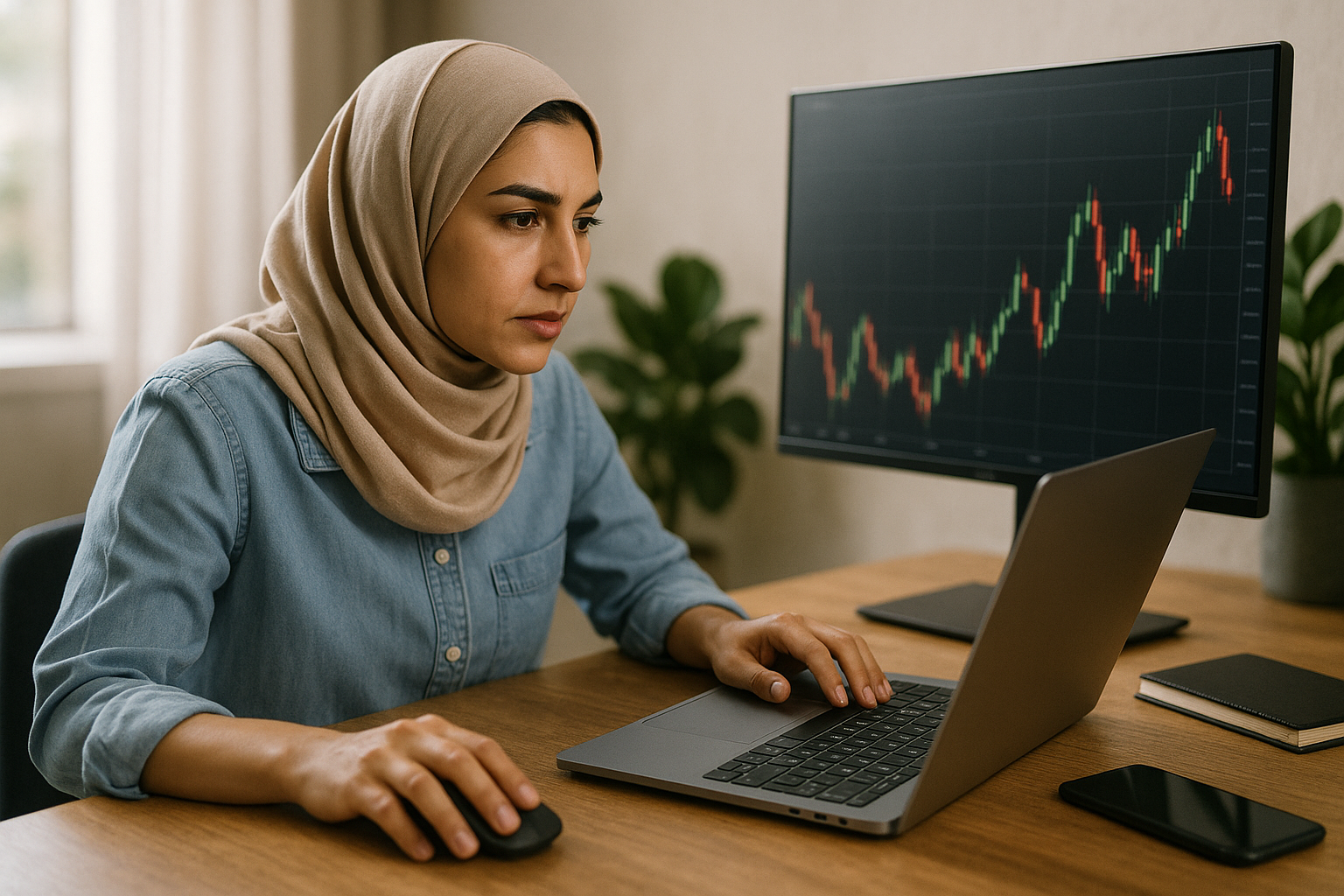
Iranian forex traders navigate one of the world’s most restrictive trading environments—yet they persist, adapt, and grow in numbers. Since 2018, approximately 80% of international brokers have ceased serving Iranian clients due to FATF blacklisting and intensified sanctions. SWIFT restrictions have severed traditional banking channels, forcing traders to rely on cryptocurrency deposits and VPN access. Meanwhile, the Iranian Rial’s 600% depreciation against the dollar has transformed forex trading from speculative activity into economic necessity for thousands seeking to preserve purchasing power. Despite operating in a regulatory vacuum with no domestic oversight, Iranian traders have built alternative infrastructure through crypto payment networks, community-driven education, and technological workarounds. This article examines the forces shaping the next 3-5 years of Iranian forex trading: emerging payment technologies, potential regulatory frameworks, geopolitical shifts, and the practical realities traders will face as this market continues evolving.
Current Landscape: Where Iranian Forex Trading Stands in 2024
Iranian forex traders operate in one of the world’s most challenging trading environments. The combination of international sanctions, domestic regulatory ambiguity, and restricted financial access has created a market where adaptation and workarounds define daily trading reality. Understanding this baseline is essential for anticipating how the market might evolve.
The Regulatory Vacuum
The Central Bank of Iran provides no regulatory framework for retail forex trading. No domestic brokers hold official licenses, and the CBI has issued no guidelines for leverage limits, capital requirements, or trader protections. This absence leaves Iranian traders without recourse when disputes arise with brokers. The legal status remains deliberately unclear—forex trading is neither explicitly permitted nor prohibited, creating uncertainty that discourages institutional development while individual traders continue operating in this gray zone.
This regulatory void contrasts sharply with neighboring countries. Turkey’s Capital Markets Board actively licenses brokers, while the UAE’s financial authorities regulate numerous forex firms. Iran’s traders face the unique challenge of participating in a global market without domestic oversight or protection.
Access Restrictions and Broker Limitations
The withdrawal of international brokers has accelerated since 2018. Major regulated firms that once accepted Iranian clients—including several Cyprus-based CySEC-licensed brokers—closed Iranian accounts following intensified FATF blacklisting and secondary sanction risks. Current estimates suggest that approximately 80% of brokers that previously served Iranian traders have exited the market.
Remaining options cluster in offshore jurisdictions with minimal regulatory oversight:
- St. Vincent and the Grenadines (SVG): The most common jurisdiction for brokers still accepting Iranians, offering no capital requirements or financial authority supervision
- Seychelles: FSA-licensed brokers with basic regulatory standards, though several have restricted Iranian access
- Vanuatu: VFSC-regulated brokers with limited oversight and frequent regulatory criticism
These brokers typically require cryptocurrency deposits—primarily USDT—since traditional banking channels remain blocked. The reliance on offshore, lightly-regulated entities exposes Iranian traders to elevated counterparty risks, including broker insolvencies, withdrawal difficulties, and limited legal recourse.
Cryptocurrency as the Gateway: The Payment Revolution
International banking sanctions have transformed cryptocurrency from an alternative payment method into the lifeline of Iranian forex trading. With SWIFT access severed and traditional correspondent banking relationships impossible, approximately 70% of Iranian traders now rely on crypto as their primary method for depositing funds into forex accounts. This isn’t a temporary workaround—it’s the new infrastructure.
The mechanics are straightforward but essential. Iranian traders purchase Bitcoin, Tether (USDT), or other cryptocurrencies through local exchanges or peer-to-peer platforms, then transfer these assets to offshore forex brokers that accept crypto deposits. The broker converts the cryptocurrency to USD account balance, allowing the trader to execute forex positions. Withdrawals follow the reverse path: USD converts to crypto, transfers to the trader’s wallet, then exchanges to Iranian Rial through local platforms. This process bypasses every banking restriction currently in place.
Current Crypto Adoption Rates
The statistics reveal how entrenched this system has become. Beyond the 70% who use crypto as their primary funding method, an additional 20% employ it as a secondary option when other channels fail. Iranian traders have particular preferences within the crypto ecosystem: USDT dominates due to its dollar peg and price stability, accounting for roughly 60% of all forex-related crypto transactions. Bitcoin follows at 25%, with traders accepting its volatility in exchange for wider broker acceptance. Ethereum and other altcoins comprise the remaining 15%.
Future Infrastructure Developments
The trajectory points toward deeper integration rather than retreat. Local cryptocurrency exchanges in Iran continue expanding their services, with several now offering direct partnerships with offshore brokers. These arrangements streamline the conversion process, reducing transfer times from hours to minutes. Stablecoin adoption is accelerating particularly fast—the predictability of USDT or USDC eliminates the concern of losing 3-5% to Bitcoin volatility between deposit and conversion. As decentralized finance protocols mature, Iranian traders may soon access forex markets through entirely blockchain-based platforms, removing even the current reliance on traditional brokers. This evolution isn’t speculation—the infrastructure is being built right now.
Technology and Access Solutions: VPNs, Platforms, and Innovation
Iranian traders have become some of the world’s most tech-savvy market participants out of necessity. With over 50% of internet users in Iran relying on VPN services, accessing international trading platforms requires technical solutions that most Western traders never consider.
The VPN Necessity
Virtual Private Networks serve as the primary gateway to forex markets for Iranian traders. Without them, accessing MetaTrader platforms, broker websites, and educational resources becomes impossible due to regional restrictions and sanctions-related IP blocking. VPN technology has evolved significantly in recent years, offering:
- Improved connection speeds: Modern protocols like WireGuard reduce latency from 200-300ms to under 100ms, critical for trade execution
- Enhanced security features: Military-grade encryption protects trading data from surveillance and potential account compromise
- Multi-device support: Traders can monitor positions across smartphones, tablets, and desktop computers simultaneously
- Dedicated IP options: Some services offer Iranian traders static IPs that reduce the risk of broker account suspensions triggered by frequent IP changes
The cost barrier remains minimal. Reputable VPN services run between $3-10 monthly, a reasonable expense compared to the potential cost of blocked accounts or missed trading opportunities.
Educational Platforms and Community Growth
The Persian-speaking forex education ecosystem has matured substantially through decentralized channels. Telegram channels with 50,000+ members provide daily market analysis, while YouTube creators produce content specifically addressing challenges Iranian traders face with payment methods and broker access. These platforms have replaced traditional forex education websites, which often block Iranian IP addresses. Persian-language trading forums now feature detailed broker comparison threads, cryptocurrency deposit tutorials, and risk management discussions tailored to rial volatility conditions. Mobile-first platforms dominate this space since most Iranian traders access markets primarily through smartphones rather than desktop computers.
Potential Regulatory Developments: Will Iran Create a Domestic Framework?
The Central Bank of Iran has periodically floated the idea of creating a regulated domestic forex market since 2018, yet no concrete framework has materialized as of 2024. These discussions typically surface during periods of acute currency volatility—when the rial’s depreciation accelerates and capital flight becomes a political concern. The Tehran Stock Exchange, while operational and offering equities and commodity futures, provides no forex trading products. This leaves Iranian retail traders in a perpetual gray zone, accessing offshore brokers without domestic legal protections or government oversight.
Government Initiatives and Discussions
Several parliamentary committees have proposed draft legislation to establish a licensed forex trading framework under CBI supervision. Proponents argue that regulation would generate substantial tax revenue from an activity already practiced by hundreds of thousands of Iranians. A regulated market could also improve financial transparency, reducing the role of unregistered brokers and informal money exchangers. The government recognizes that Iranians are trading forex regardless of official policy—often through VPNs and cryptocurrency channels—and a domestic framework could bring this activity into the formal economy. Some officials have referenced models from neighboring countries like Turkey, where retail forex operates under government licensing, as potential templates.
Obstacles to Domestic Regulation
The path to regulation faces formidable barriers. International sanctions complicate any attempt to integrate Iranian forex markets with global liquidity providers and clearing systems. No major liquidity provider will risk secondary sanctions by partnering with Iranian entities. Infrastructure requirements are equally daunting—building a regulatory body with examination capacity, dispute resolution mechanisms, and real-time surveillance technology demands resources and expertise currently unavailable. Enforcement presents another challenge: how would authorities monitor cross-border transactions when Iranian traders already rely on cryptocurrency and offshore accounts? The government would need to decide whether to prohibit access to international brokers entirely or attempt dual-track oversight, both politically and technically complex propositions. Until these obstacles find credible solutions, domestic regulation remains aspirational rather than imminent.
Geopolitical Factors: Sanctions, FATF, and International Relations
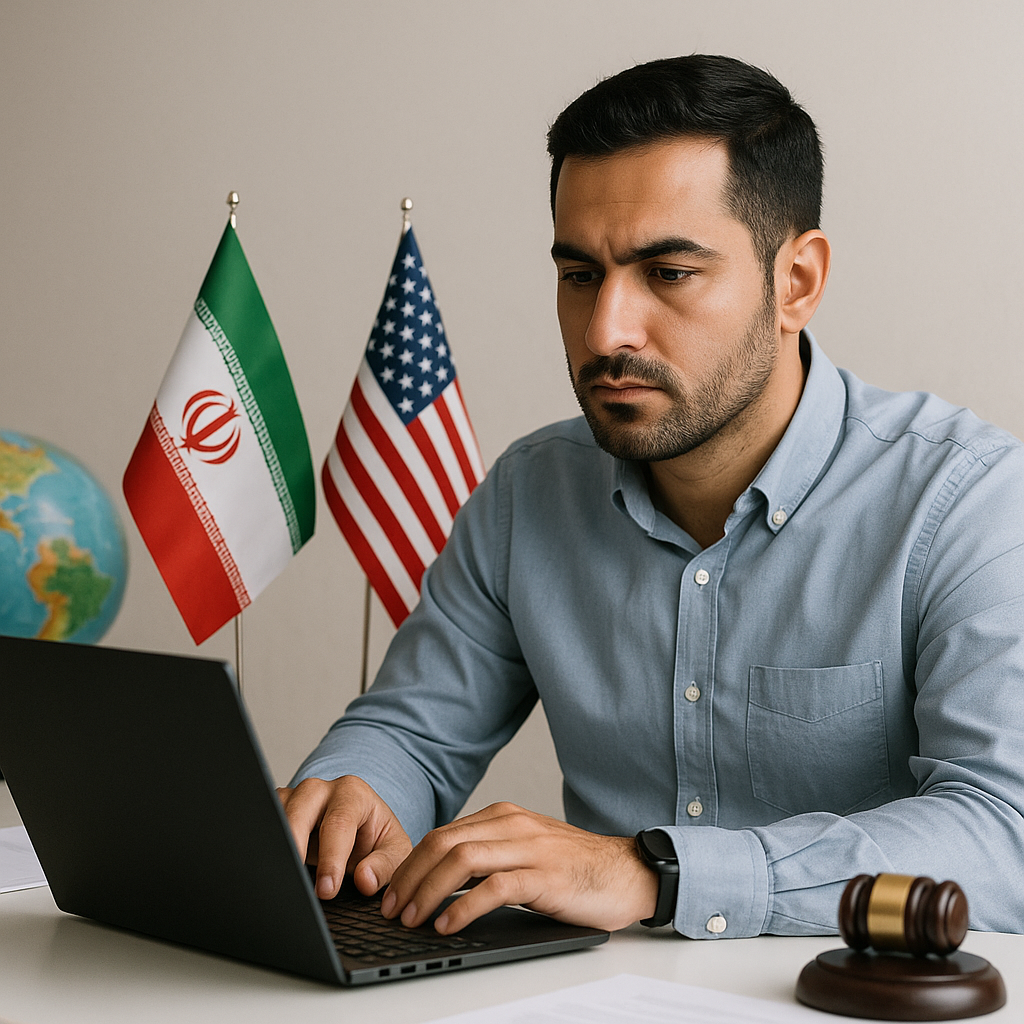
The political relationship between Tehran and Washington remains the single most consequential factor determining whether Iranian traders can access mainstream forex brokers. Since the reimposition of comprehensive sanctions in 2018, nearly every major broker licensed in Western jurisdictions has blocked Iranian IP addresses and identity documents. This isn’t voluntary caution—it’s legal necessity. US secondary sanctions threaten third-party financial institutions with exclusion from dollar-denominated transactions, forcing compliance even from brokers based in Cyprus, the UK, or Australia.
Sanctions Impact and Outlook
Iran’s simultaneous designation on the Financial Action Task Force (FATF) blacklist amplifies this isolation. While US sanctions target specific transactions and entities, FATF blacklisting triggers enhanced due diligence requirements across the global banking system. The result: even brokers willing to risk US penalties face technical barriers when correspondent banks refuse to process Iranian-linked transfers. Any substantive improvement in market access hinges on concrete diplomatic progress. Historical precedent from the 2015 nuclear agreement shows that sanctions relief—when implemented—can restore banking channels within 6-12 months. However, traders should maintain realistic expectations. Even optimistic scenarios involving renewed negotiations would likely unfold over years, not months, and partial relief might exclude financial services entirely.
Alternative Financial Networks
Regional payment infrastructure is evolving to bypass Western financial rails. The integration of Iran’s SEPAM system with Russia’s Mir payment network, alongside expanded cryptocurrency adoption, creates parallel pathways for capital movement. Approximately 70% of Iranian traders now use cryptocurrency as their primary deposit method—not by preference, but necessity. Brokers domiciled in jurisdictions with weaker sanctions enforcement, particularly certain offshore centers, increasingly accept crypto deposits without KYC verification tied to Iranian identity. These solutions carry distinct risks: regulatory uncertainty, counterparty reliability concerns, and limited legal recourse. They represent adaptation to constraints rather than normalization of trading conditions.
Market Drivers: Rial Depreciation and Economic Motivations
The Iranian Rial’s collapse against major currencies represents one of the most compelling forces sustaining forex trading interest across Iran. When the USD/IRR exchange rate breached 500,000 rials per dollar in 2023, it marked not just a psychological threshold but a stark reality: holding savings in local currency has become a wealth destruction strategy for ordinary Iranians.
Currency Devaluation Trends
Between 2018 and 2023, the Rial depreciated by over 600% against the US dollar—a staggering erosion of purchasing power that outpaced inflation and decimated fixed incomes. This trajectory shows no signs of reversal. Structural economic factors including ongoing sanctions, limited foreign direct investment, and restricted access to international banking systems continue exerting downward pressure on the national currency. For context, a middle-class Iranian family that held 100 million rials in 2018 saw that value shrink from roughly $2,380 to just $333 by 2023 in dollar terms, assuming they never touched the principal.
Forex as Economic Hedge
This economic reality transformed forex trading from a speculative activity into a defensive financial strategy. Iranian traders increasingly view currency pairs not as gambling instruments but as preservation tools. Major pairs like EUR/USD and GBP/USD offer exposure to stable currencies without requiring direct dollar holdings—a practical consideration given domestic restrictions on foreign currency possession. Gold trading, particularly XAU/USD, has gained substantial traction as a dual hedge against both currency devaluation and geopolitical uncertainty.
The pattern is self-reinforcing: as economic pressures persist, more Iranians seek forex market access. Trading accounts denominated in USD or EUR effectively function as offshore savings vehicles, protecting capital from domestic currency volatility while generating potential income through active trading.
Risk Landscape: Leverage, Broker Safety, and Trader Protection
Iranian traders operate in one of the highest-risk retail forex environments globally, facing leverage ratios that would be illegal in most developed markets and zero domestic regulatory oversight. While offshore brokers serving Iran routinely offer leverage between 1:100 and 1:500—some even reaching 1:1000—this amplified exposure can wipe out accounts in minutes during volatile sessions. The lack of a Central Bank of Iran framework for retail forex means traders have no governmental recourse when brokers freeze accounts, manipulate spreads, or simply disappear with client funds.
High Leverage Environment
The standard leverage available to Iranian traders far exceeds what regulated jurisdictions permit. European brokers cap retail leverage at 1:30 under ESMA rules, while offshore entities targeting Iran face no such restrictions. This creates a double-edged situation: Iranian traders can control larger positions with minimal capital, but a 2% adverse price movement at 1:500 leverage produces a 100% account loss. Many Iranian beginners, drawn by promises of quick returns during periods of rial depreciation, enter overleveraged positions without understanding margin call mechanics. As educational resources improve and trader communities mature, the future may see Iranian traders voluntarily adopting lower leverage ratios despite broker offerings.
Broker Due Diligence Strategies
Without regulatory protection, broker selection becomes a critical survival skill for Iranian traders. The vetting process requires multiple verification layers:
- Community verification through Iranian Telegram channels and forums where traders share withdrawal experiences
- Operational longevity checking—brokers operating 5+ years with consistent Iranian client access demonstrate reliability
- Cryptocurrency withdrawal testing with small amounts before committing significant capital
- Platform stability assessment during high-impact news events when execution quality matters most
- Spread comparison across multiple brokers using demo accounts during Tehran trading hours
The future points toward more sophisticated community-based review systems and potentially third-party verification services catering specifically to sanctions-affected trader populations.
Future Scenarios: Three Possible Paths for Iranian Forex Trading
The next 3-5 years will likely determine whether Iranian forex traders continue operating in regulatory limbo or gain access to more structured markets. Three distinct scenarios emerge from current geopolitical and economic trends, each with different implications for market access, payment methods, and regulatory oversight.
Scenario 1: Status Quo Persistence
Sanctions remain in place, and Iranian traders continue relying on offshore brokers that accept crypto deposits. This path means:
- Continued use of USDT and Bitcoin as primary funding methods
- Limited recourse when disputes arise with unregulated brokers
- VPN usage remains essential for platform access
- Trading education occurs primarily through Telegram channels and local communities
- No official regulatory framework emerges domestically
Under this scenario, traders face persistent payment friction, with cryptocurrency serving as the primary bridge currency. Approximately 70% of Iranian traders already operate this way, suggesting the infrastructure exists to sustain this model indefinitely.
Scenario 2: Sanctions Relief
Diplomatic breakthroughs lead to partial or full sanctions removal, reopening traditional banking channels. This outcome would enable:
- Direct bank wire transfers to international brokers
- Access to major regulated brokers in Cyprus, UK, and Australia
- Credit card and e-wallet payment options (Skrill, Neteller)
- Reduced counterparty risk through broker selection from tier-one jurisdictions
- Potential for domestic regulatory framework development
Historical precedent suggests that even partial sanctions relief could restore 40-50% of previously available broker options within 12-18 months. However, this scenario depends entirely on geopolitical negotiations beyond traders’ control and remains the least predictable path forward.
Scenario 3: Domestic Market Development
Iran establishes a regulated domestic forex market under CBI oversight, similar to Turkey’s model. This framework would include:
- Licensed Iranian brokers operating within the country
- Rial-denominated accounts with conversion to major currency pairs
- Government-mandated leverage limits (likely 1:50 to 1:100)
- Dispute resolution mechanisms and trader protection standards
- Tax collection infrastructure on trading profits
This scenario faces substantial obstacles—primarily the lack of access to international liquidity providers due to sanctions—but would provide legal clarity and consumer protections currently absent. Implementation would require 3-5 years minimum, assuming political will materializes.
Practical Preparation: What Iranian Traders Should Do Now
Regardless of which scenario unfolds, Iranian traders can take concrete steps to position themselves for evolving market conditions. These preparations address immediate challenges while building capacity for future opportunities.
Master Cryptocurrency Fundamentals
Cryptocurrency payment infrastructure will remain central to Iranian forex trading for the foreseeable future. Traders should develop proficiency with:
- Wallet security practices including hardware wallets and multi-signature protection
- Multiple stablecoin options beyond USDT (USDC, DAI) to diversify counterparty risk
- Peer-to-peer exchange platforms for optimal rial conversion rates
- Transaction fee optimization during network congestion
- Basic understanding of blockchain explorers for verifying transfers
As decentralized finance platforms mature, early adopters will gain significant advantages in accessing next-generation trading infrastructure.
Diversify Knowledge Sources
Relying on single Telegram channels or YouTube creators creates information vulnerabilities. Building a diversified education portfolio includes:
- Following 5-7 Persian-language trading communities with different analytical approaches
- Accessing English-language resources through VPN for broader market perspectives
- Participating in trading forums where broker experiences are shared transparently
- Studying risk management principles from established trading literature
- Connecting with experienced traders for mentorship relationships
The Iranian forex community has grown substantially in sophistication—leverage this collective knowledge rather than trading in isolation.
Prioritize Risk Management Over Returns
The high-leverage environment available to Iranian traders creates survivorship bias—successful traders emphasize capital preservation while failed accounts disappear silently. Practical risk management means:
- Limiting position sizes to 1-2% of account capital regardless of conviction level
- Using stop-loss orders on every trade without exception
- Maintaining detailed trading journals to identify pattern weaknesses
- Avoiding leverage above 1:100 even when brokers offer 1:500
- Withdrawing profits regularly rather than compounding indefinitely
Given the elevated broker counterparty risks Iranian traders face, regular withdrawals to personal crypto wallets protect against broker insolvency or account freezes.
Stay Informed About Regulatory Discussions
Monitor developments in domestic regulation and international sanctions through reliable news sources. Changes in FATF status, nuclear negotiations, or CBI policy announcements can dramatically shift market access within months. Persian-language financial news outlets and official government communications provide advance signals of regulatory direction. Traders who anticipate these shifts—rather than reacting after implementation—gain significant strategic advantages.
The future of Iranian forex trading will be shaped by forces largely beyond individual control—geopolitical negotiations, technological developments, and domestic policy decisions. Yet within these constraints, Iranian traders have consistently demonstrated remarkable adaptability and resilience. The market has survived the most restrictive period in modern history and continues growing despite obstacles that would have eliminated participation in less determined communities.
Cryptocurrency infrastructure has evolved from experimental workaround to reliable payment backbone. Educational resources in Persian have proliferated across decentralized platforms. Trading communities have matured, sharing broker experiences and risk management practices that protect newcomers from common pitfalls. These developments represent genuine progress, even as fundamental challenges persist.
Realistic expectations remain essential. Major improvements in broker access or regulatory clarity are unlikely in the immediate term—the geopolitical factors driving current restrictions show no signs of rapid resolution. FATF blacklisting and comprehensive sanctions will probably continue shaping market conditions for the next 2-3 years minimum. Traders should prepare for extended operation within current constraints rather than waiting for external rescue.
Yet incremental improvements continue accumulating. Stablecoin adoption reduces cryptocurrency volatility friction. VPN technology improves connection reliability. Community knowledge deepens, helping traders avoid problematic brokers and optimize their strategies for rial volatility conditions. These small gains compound over time into substantially improved trading environments compared to even three years ago.
The practical path forward emphasizes controllable factors: master cryptocurrency payment methods thoroughly, diversify educational sources beyond single channels, prioritize capital preservation over aggressive returns, test brokers with small amounts before committing significant funds, and connect with experienced trading communities for shared knowledge. These steps won’t eliminate sanctions or create domestic regulation, but they maximize your capacity to navigate whatever conditions emerge.
Iranian traders have built alternative infrastructure when traditional channels closed. They’ve educated themselves when formal resources became inaccessible. They’ve adapted payment methods when banking systems excluded them. This pattern of resilience and innovation suggests that regardless of which future scenario unfolds—continued status quo, sanctions relief, or domestic regulation—the Iranian forex community will find ways to participate, protect capital, and pursue financial goals despite obstacles. The future remains uncertain, but the capacity to adapt has been proven repeatedly.