
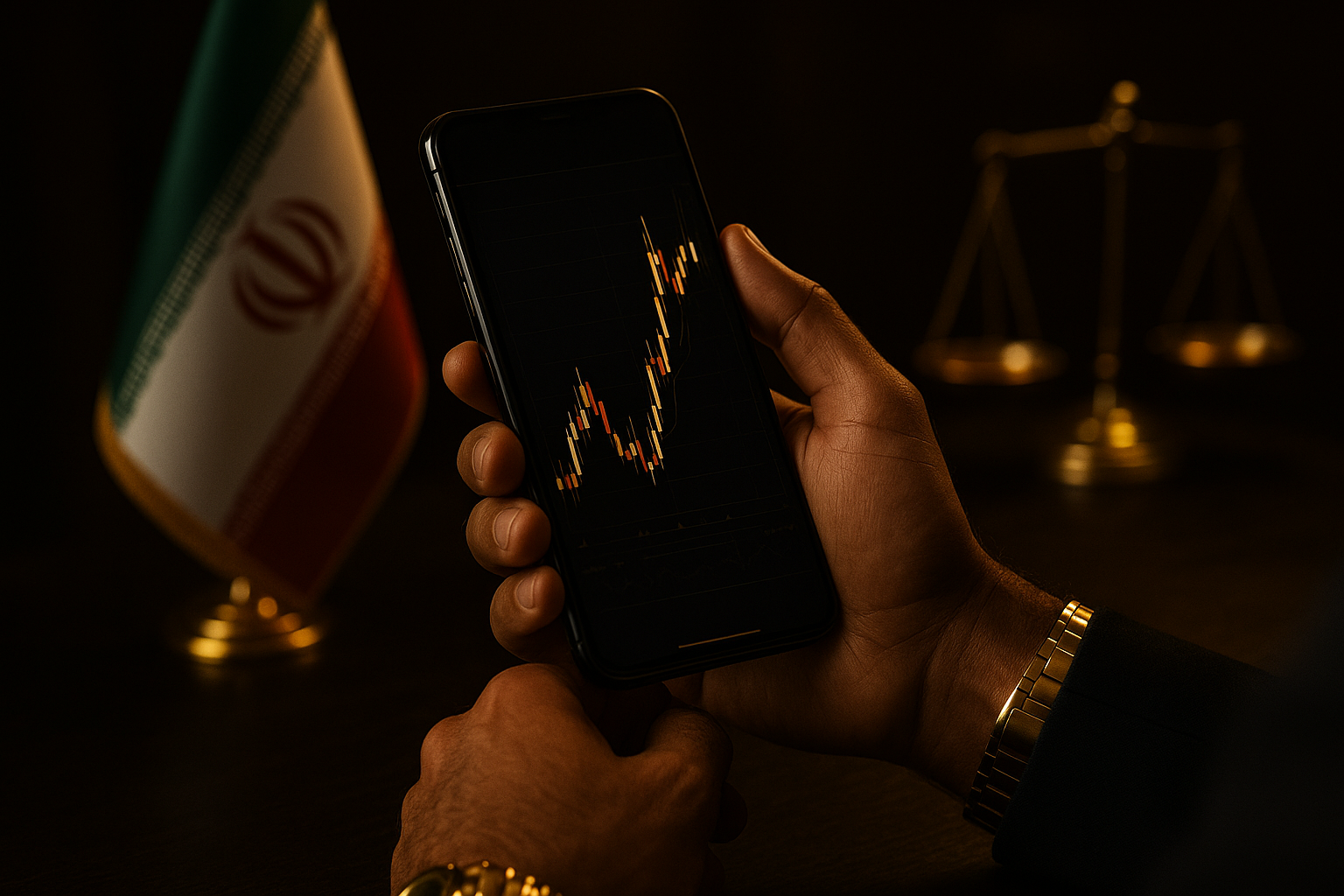
Five years ago, Iranian forex traders faced a stark choice: navigate desktop platforms through unstable internet and banking sanctions, or stay out of the market entirely. Today, over 70% of the estimated 2-3 million active Iranian traders execute positions from their smartphones, a shift driven not by convenience but by necessity. Mobile trading apps solved three critical barriers simultaneously—banking sanctions through cryptocurrency integration, capital controls through micro-account minimums, and accessibility through 24/7 mobile connectivity. Between 2020 and 2023, mobile trading app downloads in Iran surged by 250%, transforming forex from a desktop-dependent technical challenge into a pocket-accessible financial tool. This article examines how mobile technology fundamentally restructured market access, education, and trading practices for Iranian traders navigating unique regulatory and financial challenges.
From Desktop to Mobile: The Evolution of Forex Access in Iran

Between 2015 and 2023, Iranian traders faced a fundamental problem: desktop trading platforms required stable infrastructure that simply didn’t exist under sanctions. The combination of banking restrictions, capital controls, and periodic internet disruptions made traditional PC-based forex trading a technical and legal maze.
Desktop Trading Limitations in Iran
Desktop trading demanded reliable bank wire transfers for deposits—a non-starter when SWIFT sanctions cut Iranian banks from the international financial system. Traders who managed to open accounts with offshore brokers encountered minimum deposit requirements of $500 to $1,000, prohibitive amounts when the rial lost over 600% of its value against the dollar between 2018 and 2023. Internet throttling during periods of civil unrest meant losing connection during critical trading hours, often resulting in unmanaged positions and margin calls. Desktop platforms also required consistent electricity and broadband access, luxuries that became unreliable as infrastructure deteriorated under economic pressure.
The Mobile Revolution
Mobile platforms fundamentally changed this equation. Brokers accepting cryptocurrency deposits eliminated the banking barrier entirely—traders could fund accounts through Bitcoin or Tether without touching the traditional financial system. Minimum deposits dropped to $10-50, opening the market to university students and young professionals who previously couldn’t afford entry. MetaTrader 4 and MetaTrader 5 mobile applications allowed trading on 4G networks, bypassing home internet restrictions. When authorities throttled broadband, traders switched to mobile data. When mobile data slowed, they used VPNs optimized for smartphone use.
The demographic shift was immediate. Traders aged 18-35, already comfortable with mobile-first services and cryptocurrency wallets, flooded into the market. Telegram channels with millions of Iranian followers became impromptu trading academies, sharing chart screenshots and analysis directly to phones. By 2023, over 70% of global forex volume happened on mobile devices—in Iran, that percentage was likely higher, driven by necessity rather than preference.
Breaking Through Banking Sanctions: Cryptocurrency Integration
Iranian traders face a fundamental problem that shapes every aspect of their forex operations: they cannot move money through conventional banking channels. The SWIFT banking network, which processes most international wire transfers, has excluded Iranian financial institutions since 2018. This exclusion makes traditional broker deposits and withdrawals impossible for traders in Iran, regardless of which international broker they choose.
Why Traditional Banking Fails Iranian Traders
The sanctions architecture blocks multiple payment pathways simultaneously. Credit and debit cards issued by Iranian banks don’t process on international networks like Visa or MasterCard. Wire transfers fail at the correspondent banking level, where Western banks refuse to process transactions originating from or destined to Iranian accounts. Even electronic payment processors like PayPal, Skrill, and Neteller enforce geographic restrictions that automatically reject Iranian registration attempts. This creates a complete banking blockade for traders attempting to fund forex accounts with international brokers.
How Crypto Bridges the Gap
Mobile trading applications integrated cryptocurrency payment gateways precisely because they needed to serve traders in sanctioned jurisdictions. The process works because cryptocurrencies operate on decentralized networks that no single government controls. According to recent trading community surveys, over 85% of Iranian forex traders now use cryptocurrency exclusively for broker deposits and withdrawals.
The practical workflow involves three mobile applications working in sequence. Traders first purchase Bitcoin, Tether (USDT), or other cryptocurrencies through Iranian peer-to-peer exchanges accessible via mobile apps. They then transfer the cryptocurrency from their mobile wallet to the deposit address provided by their broker’s mobile platform. The entire process completes within 30 minutes to two hours, depending on blockchain confirmation times. Withdrawals follow the reverse path—brokers send cryptocurrency to the trader’s mobile wallet, which can then be converted to Iranian rials through local exchanges.
This cryptocurrency integration transformed mobile apps from mere trading interfaces into complete financial ecosystems. Traders manage deposits, withdrawals, and active positions from a single device, bypassing the banking infrastructure that would otherwise exclude them entirely.
Most Popular Mobile Trading Platforms Among Iranian Traders
The MetaTrader ecosystem accounts for approximately 85% of mobile forex trading activity among Iranian traders, a dominance shaped by specific technical and practical factors rather than marketing reach. This concentration reflects how sanctions-related limitations have made platform selection a matter of compatibility with alternative payment systems rather than feature comparison alone.
MetaTrader 4/5: The Iranian Standard
MetaTrader 4 and MetaTrader 5 have become the default choice for Iranian traders primarily because most cryptocurrency-accepting brokers offer these platforms as their core mobile solution. The platforms’ offline chart analysis capability proves particularly valuable during Iran’s periodic internet disruptions, allowing traders to review technical setups and prepare strategies even when connectivity drops.
Key features driving adoption include:
- Integrated technical indicators (over 30 standard indicators) that eliminate the need for third-party analysis software, reducing costs and complexity
- One-tap trading execution that consistently delivers order placement under 1 second on stable connections, compared to 2-3 seconds on browser-based platforms
- Customizable chart layouts that traders can configure once and maintain across devices without subscription fees
- Built-in economic calendar synced to GMT, helping traders track market-moving events despite local time zone differences
MT4 remains more popular than MT5 among Iranian traders, largely due to broker availability and the extensive Persian-language educational content built around the older platform. Telegram channels serving the Iranian trading community predominantly share MT4 strategy files and custom indicators, creating a network effect that reinforces the platform’s position.
Other Platform Options
cTrader has gained a small but growing following among technically sophisticated Iranian traders who prioritize Level II pricing and advanced order types. Its adoption remains limited to roughly 10% of active traders, constrained by fewer broker options that simultaneously accept cryptocurrency deposits and offer cTrader access. WebTrader solutions see minimal use due to concerns about browser-based security and the inability to trade during internet instability.
Technical Challenges: VPNs and Connectivity Solutions
Iranian traders face a reality that few others in the global forex community contend with: accessing MetaTrader 4 or 5 requires a VPN almost 100% of the time. Most international brokers implement geo-blocking for Iranian IP addresses due to sanctions compliance, making virtual private networks the gateway to participation rather than an optional privacy tool.
Why VPNs Are Non-Negotiable
Without a VPN, Iranian traders cannot access major broker platforms, registration pages, or trading servers. Even brokers accepting cryptocurrency deposits—the primary funding method for Iranians—restrict access at the IP level. A trader in Tehran attempting to log into an offshore broker’s mobile app without VPN protection will encounter connection errors or blank screens. The VPN masks the Iranian IP address, allowing the trading application to function as if accessed from an unrestricted jurisdiction.
Beyond broker access, VPNs serve a second critical function: bypassing government-imposed internet restrictions during periods of heightened censorship. Iran has experienced multiple instances of throttled internet speeds and selective platform blocking, particularly affecting messaging apps like Telegram where many traders receive signals and education.
Best Practices for Stable Connectivity
Not all VPN services suit the demands of active trading. Speed and stability matter more than privacy features when you’re managing open positions on a 15-minute chart. Consider these factors when selecting a VPN for mobile trading:
- Server proximity: Choose VPN servers in Turkey, UAE, or Europe for lower latency than distant locations like the US or Australia
- Protocol selection: WireGuard or IKEv2 protocols offer better performance on mobile networks than older OpenVPN configurations
- Kill switch capability: Prevents accidental exposure of your Iranian IP if the VPN connection drops mid-session
- Multiple simultaneous connections: Run VPN on both your phone and backup device without purchasing separate subscriptions
Mobile trading apps demonstrate a distinct advantage during connectivity disruptions. They consume less bandwidth than desktop platforms, maintain sessions through brief disconnections better, and allow quick VPN server switches without losing chart data. During Iran’s 2022 internet restrictions, traders reported maintaining mobile access when desktop MT4 platforms repeatedly timed out.
Mobile-Based Forex Education Ecosystem in Iran

The shift to mobile-based education has fundamentally transformed how Iranian traders learn forex, with Telegram serving as the backbone of this transformation. With over 40 million active users in Iran, Telegram has evolved from a messaging app into the country’s primary trading classroom, hosting thousands of channels dedicated to forex analysis, signals, and educational content.
Telegram: The Iranian Trader’s Classroom
Telegram channels offer Iranian traders immediate access to market analysis, trading signals, and educational materials without the need for VPNs or complex workarounds. These channels range from free community-driven groups with thousands of members to premium subscription services charging monthly fees in Toman or USDT. Many experienced traders have built entire educational businesses on Telegram, offering structured courses through video messages, PDF files, and live voice chats that walk beginners through chart analysis, risk management, and platform navigation.
WhatsApp groups complement Telegram by facilitating smaller, more interactive trading communities where members share real-time trade ideas and discuss market conditions. Instagram has carved its niche as a visual platform where traders post chart screenshots, trading results, and motivational content, though its educational depth typically falls short of Telegram’s comprehensive offerings.
Evaluating Educational Content Quality
The democratization of forex education on mobile platforms has created significant quality control challenges. Iranian traders face a marketplace saturated with self-proclaimed experts who promise unrealistic returns or sell signals without proper risk disclosure. Reliable educational sources typically demonstrate several key characteristics:
- Transparent track records with verified trading histories rather than cherry-picked winning trades
- Emphasis on risk management and position sizing rather than profit-focused marketing
- Free foundational content that demonstrates expertise before requesting payment
- Clear explanations of both winning and losing trades with post-analysis
- Reasonable pricing structures aligned with Iranian economic realities
Traders should scrutinize channels that guarantee specific returns, refuse to show losing trades, or pressure members into rushed trading decisions. Cross-referencing information across multiple reputable sources and testing strategies on demo accounts remain essential practices before committing real capital based on mobile-delivered education.
Copy Trading and Social Features on Mobile Platforms
Mobile apps have transformed how Iranian novices enter forex trading, particularly through copy trading features that allow them to replicate the strategies of experienced traders. For Iranians facing rial depreciation exceeding 600% against the USD since 2018, copy trading offers an accessible entry point without requiring years of technical analysis training.
What Makes Copy Trading Attractive
Mobile platforms have reduced copy trading from complex software installations to simple one-tap follows. Iranian traders using MetaTrader 4 and MT5 mobile apps can now browse trader profiles, review performance history, and activate copy settings within minutes—functionality that previously required desktop access and technical expertise.
The appeal for Iranian novices centers on three practical advantages:
- Immediate market participation despite limited trading knowledge or time for daily chart analysis
- Learning by observation as traders watch how experienced investors respond to market movements in real-time
- Reduced pressure from independent decision-making during the steep learning curve
Iranian traders particularly value copy trading given their reliance on cryptocurrency-funded accounts with international brokers. Mobile apps allow them to monitor copied positions anywhere, critical when managing accounts outside traditional banking hours.
Managing Copy Trading Risks
Copy trading carries specific risks for Iranian market participants. Before following any trader, verify these criteria:
- Track record duration: Minimum 12 months of verified performance, not just recent winning streaks
- Drawdown management: Maximum historical drawdown under 30% indicates risk control discipline
- Trading frequency: Moderate activity (10-30 trades monthly) suggests strategy over gambling
- Position sizing: Consistent lot sizes relative to account balance show proper risk management
Never allocate more than 30% of your trading capital to a single copy trader. Iranian traders should maintain emergency capital in stable assets given potential broker access disruptions from sanctions-related payment processing delays.
Why Iranian Traders Turn to Forex: The Rial Volatility Factor
The Rial Crisis and Forex Appeal
The Iranian rial’s collapse from roughly 42,000 rials per USD in early 2018 to over 300,000 rials by 2023 represents more than a 600% depreciation. This brutal currency devaluation has transformed forex trading from a speculative activity into a financial survival strategy for many Iranians. A savings account holding 100 million rials in 2018 retained the same nominal value five years later, but its purchasing power in dollars plummeted by more than 85%. This wasn’t theoretical economic data—it was the erasure of life savings, education funds, and retirement plans.
Traditional hedging options remained largely inaccessible to ordinary Iranians. Physical gold faced storage risks and transaction costs. Real estate required substantial capital and lacked liquidity. Bank deposits in foreign currencies were restricted by capital controls and required special permissions. Forex trading emerged as the most practical alternative: liquid, divisible, and theoretically accessible 24 hours a day.
Mobile Trading as Financial Protection
Mobile trading platforms fundamentally changed who could access this protection. Before smartphone trading apps, forex participation required desktop computers, stable internet connections, and often physical visits to money changers or unofficial exchange offices. The barrier to entry was high. MetaTrader 4 and MetaTrader 5 mobile applications reduced this complexity to a smartphone and basic internet access—resources that millions of Iranians already possessed.
The practical impact was measurable. An Iranian trader holding even modest positions in EUR/USD or other major pairs could preserve purchasing power as the rial deteriorated. While domestic inflation eroded local currency savings, forex positions denominated in stable currencies maintained real value. Mobile accessibility meant traders could monitor positions during work hours, adjust stop-losses in response to rial fluctuations announced by the Central Bank, and execute trades from anywhere with cellular service. This wasn’t wealth generation—it was wealth preservation made portable.
Risk Management Tools in Mobile Trading Apps
Mobile platforms like MetaTrader 4 and MT5 have packed professional risk management features into interfaces that fit in your pocket, but Iranian traders need to understand both their capabilities and limitations before relying on them exclusively.
Essential Mobile Risk Tools
Modern mobile trading apps provide several critical risk management features that work well for straightforward trade execution:
- One-tap stop-loss and take-profit placement: Both MT4 and MT5 mobile apps let you set protective orders directly on the chart by dragging lines to your desired price levels, or inputting exact pip distances when opening positions
- Position size calculators: Many mobile platforms now include built-in calculators that help you determine proper lot sizes based on your account balance and acceptable risk percentage per trade
- Push notifications for price alerts: Set custom alerts for when EUR/USD reaches a specific level or when your account equity drops below a threshold—critical for Iranian traders who may face internet connectivity issues
- Trailing stop functionality: Mobile apps allow you to lock in profits automatically as trades move in your favor, adjusting stop-loss levels without constant manual intervention
These features work reliably when you have stable connectivity and understand their execution logic. Iranian traders should test all risk management tools on demo accounts first, particularly to understand how stop-losses behave during high-volatility news events or when VPN connections fluctuate.
Mobile trading revolutionized Iranian forex market access by solving three interconnected challenges that previously excluded millions from participation. Cryptocurrency integration bypassed banking sanctions that made traditional deposits impossible. Micro-account minimums and 24/7 mobile connectivity eliminated capital and accessibility barriers that desktop platforms couldn’t overcome. Telegram-based education democratized market knowledge, creating a mobile-first learning ecosystem tailored to Iranian traders’ specific needs.
Yet mobile accessibility doesn’t eliminate the fundamental challenges Iranian traders face. Broker selection remains critical—platforms must accept cryptocurrency, allow VPN access, and maintain stable execution during volatile periods. VPN infrastructure requires ongoing maintenance and backup solutions when primary connections fail. Risk management discipline becomes even more important when trading from a device that fits in your pocket, where emotional decisions happen faster than on desktop setups.
The mobile trading revolution continues to evolve. New platforms are integrating more sophisticated charting tools, faster execution speeds, and better educational resources directly into smartphone interfaces. For Iranian traders navigating economic uncertainty, currency volatility, and sanctions-related restrictions, mobile technology isn’t just convenient—it’s the infrastructure that makes market participation possible. As sanctions persist and the rial remains unstable, mobile forex trading will likely expand further, serving as both a wealth preservation tool and a gateway to global financial markets for a new generation of Iranian traders.